
Smart Cooking with Fats
Choosing the Right Oils for Flavor and Health Benefits
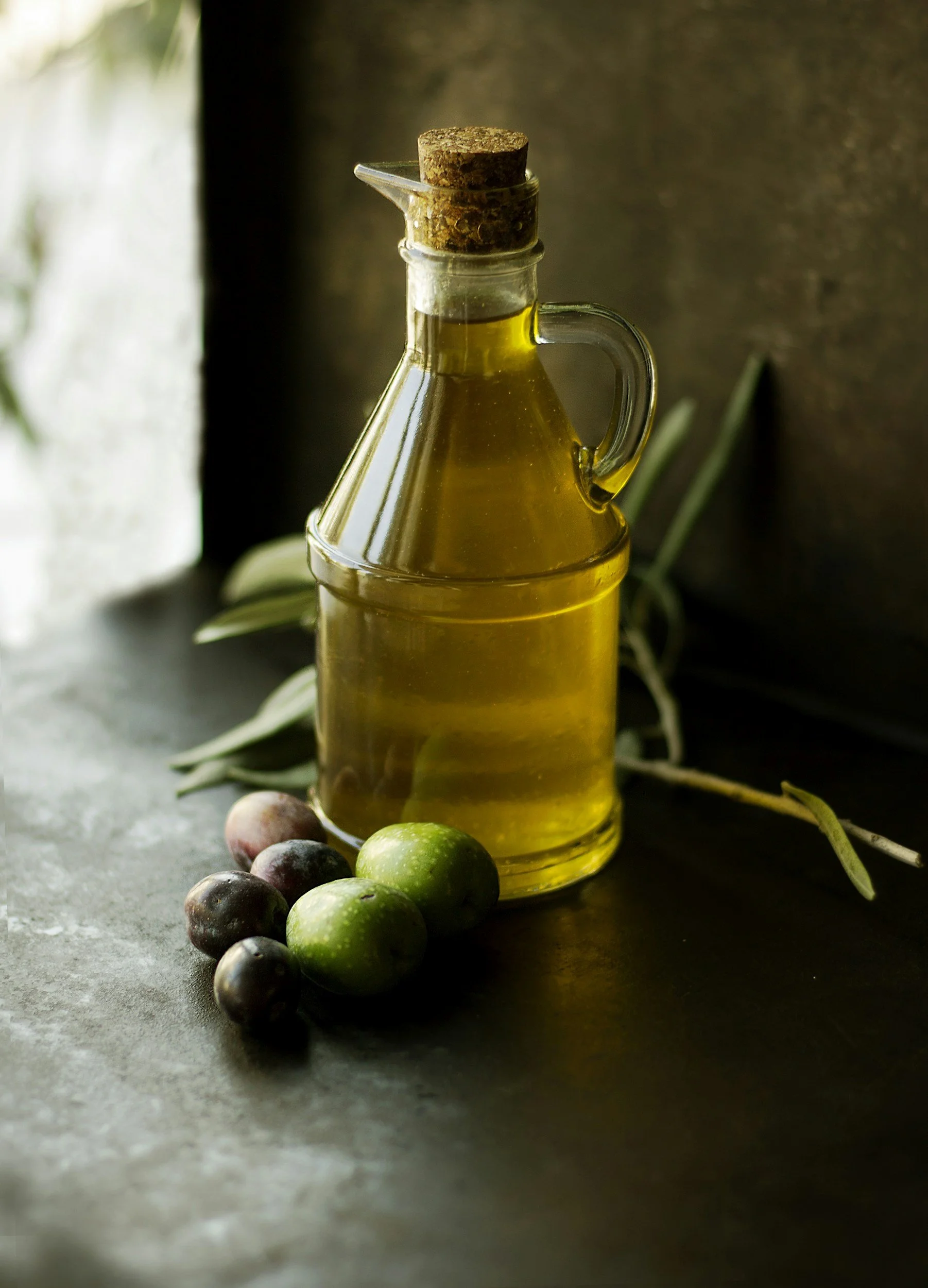
When it comes to cooking, the oils you use can make a big difference, not just in how your food tastes, but also in how it supports your overall health. Cooking oil is one of those everyday ingredients that often goes unnoticed, yet it plays a key role in nearly every meal. Whether you’re roasting vegetables, frying eggs, blending a salad dressing, or baking a sweet treat, the type of oil you choose matters.
Some oils are packed with nourishing fats and antioxidants that support heart health, reduce inflammation, and even benefit your skin and brain. Others, unfortunately, are highly processed, lacking in nutrients, and can contribute to chronic health issues over time. With store shelves stocked with dozens of options, from olive to avocado, coconut to canola, it can be hard to know which oils are truly healthy and which are best left out of your kitchen.
The good news? Once you understand the basics, choosing the right oil becomes much easier. In this article, we’ll explore which oils to avoid, which ones to keep on hand, and how to use them wisely for better flavor, nutrition, and peace of mind in your cooking. Remember, not all oils are created equal, soome are heavily processed or high in unhealthy fats, making them less ideal for regular use.
Types of Oils
Vegetable Oils (such as soybean, corn, canola, and sunflower)
Vegetable oils, often derived from seeds, are widely used in cooking and packaged foods. They are typically refined to improve shelf stability and create a neutral flavor, though some varieties are also available in less processed, cold-pressed forms. One of their key features is a high content of polyunsaturated fats, particularly omega-6 fatty acids. Omega-6 fats are essential for the body in moderation and play roles in brain function, skin health, and normal growth and development. Some vegetable oils also provide vitamin E, an antioxidant that supports cellular health. However, there are a few considerations to keep in mind. Many conventional vegetable oils undergo refining processes that may involve high heat and chemical solvents. While these methods are considered safe, they can reduce certain nutrients and alter the oil’s flavor and stability. Additionally, diets that are disproportionately high in omega-6 fatty acids, without adequate omega-3 intake, may contribute to an imbalance that is associated with inflammation over time.Because these oils are inexpensive and versatile, they are commonly found in processed foods, restaurant cooking, and products labeled “vegetable oil” or “blended oil.” These blends often combine multiple refined seed oils, making it difficult to know the exact composition or quality. For everyday use, a more intentional approach can be helpful. Incorporating a variety of fats, including less refined options like extra virgin olive oil or avocado oil, as well as sources of omega-3s such as flax, chia, or fatty fish, can support a more balanced intake. Rather than avoiding vegetable oils entirely, fusing them sparingly and focusing on quality, processing methods, and overall dietary balance tends to be a more sustainable and evidence-based approach.
Palm Oil
While palm oil is found in many packaged foods, it’s high in saturated fat and often processed with heat and chemicals. It can raise LDL (bad) cholesterol, so it’s best used sparingly, if at all. In addition to its health concerns, palm oil production is a major driver of deforestation, habitat destruction, and loss of biodiversity, especially in tropical regions where endangered species like orangutans are affected. Palm oil is not necessarily all inherently bad, and it depends where in the world you live and are sourcing it from, as it also consists of vitamins A and E, which are powerful antioxidants, but there are definitely healthier choices out there.Margarine and Hydrogenated Oils
Margarine and other hydrogenated oils are best avoided. These products often contain trans fats, which are well-known for increasing the risk of heart disease, diabetes, and inflammation. Trans fats are created through a process called hydrogenation, which turns liquid oils into solid fats to give products a longer shelf life. Unfortunately, this process alters the structure of the fat in a way that’s harmful to the body. But what about butter? While butter has gotten a bad rap in the past, organic or grass-fed butter, is a much better choice than margarine. It contains healthy fats, fat-soluble vitamins like A and K2, and a natural, rich flavor that doesn’t require artificial additives. If you tolerate dairy, organic butter can actually be part of a nourishing, whole-foods-based diet.
Olive Oil
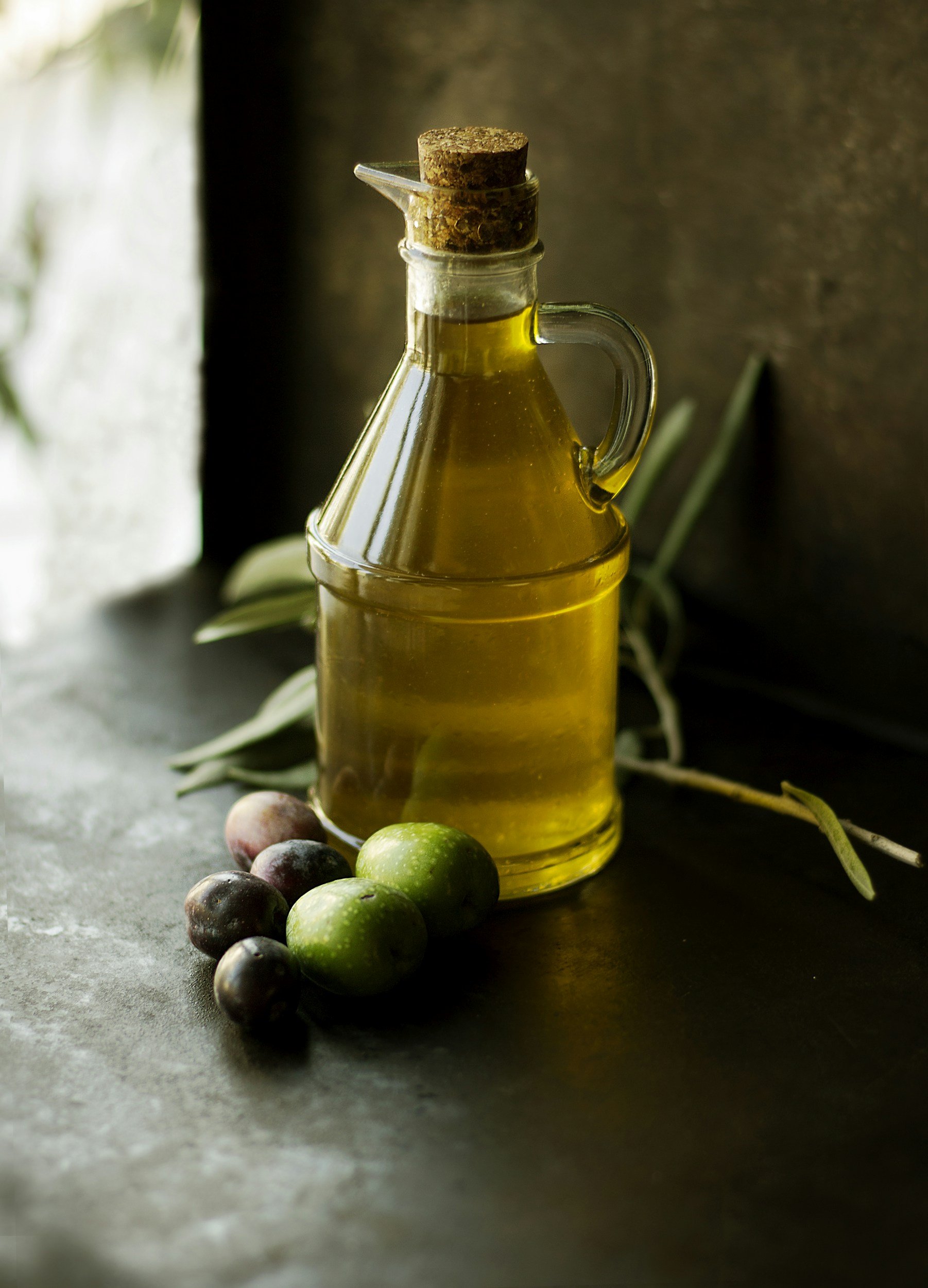
Extra virgin olive oil is a staple in many traditional, health-supportive diets, including the Mediterranean diet. It’s rich in monounsaturated fats, which are associated with improved cardiovascular health, and contains potent antioxidants like polyphenols that help combat oxidative stress and inflammation. Because it is minimally processed, extra virgin olive oil retains more of its beneficial compounds compared to refined oils. It has a moderate smoke point, making it well-suited for low to medium-heat cooking like gentle sautéing, roasting vegetables, or finishing dishes. It’s especially ideal for salad dressings, drizzling over cooked foods, or dipping, where its flavor and nutritional qualities can really shine. For higher-heat cooking, pairing it with more heat-stable fats can help preserve its integrity while still incorporating its benefits.Avocado Oil
Avocado oil is a versatile, nutrient-dense fat and a great option for higher-heat cooking. It’s rich in monounsaturated fats that support cardiovascular health, along with antioxidants like vitamin E and lutein, which help protect the eyes and skin from oxidative stress. One of its standout features is its high smoke point, around 480–520°F (249–271°C) for refined avocado oil, making it ideal for frying, grilling, searing, and roasting without breaking down as easily as more delicate oils. Unrefined (extra virgin) avocado oil has a slightly lower smoke point but retains more of its natural flavor and nutrients, making it a great choice for drizzling or medium-heat cooking.Coconut Oil
Coconut oil is a unique fat that contains medium-chain triglycerides (MCTs), which are more rapidly absorbed and can be used by the body as a quick source of energy. This is one reason it’s often favored for gentle digestion and sustained fuel.It is high in saturated fat, primarily lauric acid, which behaves somewhat differently than the longer-chain saturated fats found in many animal products. While coconut oil may support HDL (“good”) cholesterol, it can also raise LDL cholesterol in some individuals, so moderation is still important—especially for those with cardiovascular concerns.Coconut oil has a relatively high smoke point (about 350°F / 177°C for unrefined, and up to 400°F / 204°C for refined), making it suitable for baking, sautéing, and light frying. Its naturally sweet, rich flavor pairs especially well with baked goods, curries, and warming dishes. Virgin coconut oil has a more pronounced coconut aroma and flavor, while refined coconut oil is neutral in taste and better suited for recipes where you don’t want a coconut profile.Flaxseed Oil
Packed with plant-based omega-3s, especially alpha-linolenic acid, flaxseed oil supports heart and brain health, but it’s very delicate and should not be heated, so it’s best used in salad dressings, dips, or as a finishing drizzle; it may also help support healthy cholesterol levels and gently balance inflammation when used regularly.Sesame Oil
Sesame oil brings a rich, nutty depth to dishes, especially in Asian cooking. It contains a balance of unsaturated fats along with unique antioxidants like sesamin and sesamol, which may help support healthy blood pressure and reduce oxidative stress.It has a moderate smoke point, around 350–410°F (177–210°C) depending on the type, making it suitable for sautéing, stir-frying, and sauces. Toasted sesame oil is more delicate and best used as a finishing oil to preserve its flavor and nutrients, while lighter (untoasted) sesame oil can handle higher heat and is better for cooking.
Smart Tips for Cooking with Oils
Go Easy on the Quantity
Even healthy oils are calorie-dense. A little goes a long way, try measuring instead of pouring, and mix up the types of oils you use to get a range of nutrients.Choose Cold-Pressed or Extra Virgin When You Can
These types of oils are made without high heat, preserving more of the natural nutrients and flavor.Store Them Right
Oils can go rancid if exposed to too much light, air, or heat. Keep them in a cool, dark place—and always seal the lid tightly.Why Smoke Points Matter
Each oil has a temperature limit before it starts to break down. For high-heat cooking like frying, stick with avocado or refined coconut oil. For lower-heat dishes or finishing touches, olive or flaxseed oil is perfect.
Smoke Point Explained
The smoke point of an oil is the temperature at which it starts to break down and produce visible smoke. Once an oil reaches its smoke point, it begins to degrade, releasing harmful free radicals and creating an unpleasant, burnt flavor. Cooking with oils past their smoke point not only impacts the taste of your food, but may also introduce potentially harmful compounds into your meals.
Different oils have different smoke points, and choosing the right one for your cooking method, whether it’s sautéing, frying, or drizzling, can help protect both the flavor and nutritional quality of your food. Refined oils generally have higher smoke points because they’ve been processed to remove impurities. However, they may also lack some of the beneficial nutrients found in unrefined or cold-pressed oils. Balance is key, choose oils that match your cooking style while keeping nutrition in mind.
Extra Virgin Olive Oil 325–375°F (163–190°C) Salad dressings, drizzling, low to medium-heat sautéing
Avocado Oil 480–520°F (249–271°C) High-heat cooking, frying, grilling
Coconut Oil (Unrefined) 350°F (177°C) Baking, sautéing, low to medium-heat cooking
Coconut Oil (Refined) 400–450°F (204–232°C) Stir-frying, medium to high-heat cooking
Flaxseed Oil 225°F (107°C) Cold uses only: dressings, dips, finishing drizzle
Sesame Oil (Unrefined) 350–410°F (177–210°C) Stir-frying, light sautéing, dressings
Toasted Sesame Oil ~350°F (177°C) Finishing dishes, marinades, flavoring
Vegetable Oil (Canola, Soy, Corn) 400–450°F (204–232°C) High-heat cooking, frying (but use sparingly due to processing
Palm Oil (Refined) 450°F (232°C) Frying and high-heat cooking (though not recommended due to health and environmental concerns
Margarine / Hydrogenated Oils Varies, usually low. Not recommended for any cooking due to trans fats
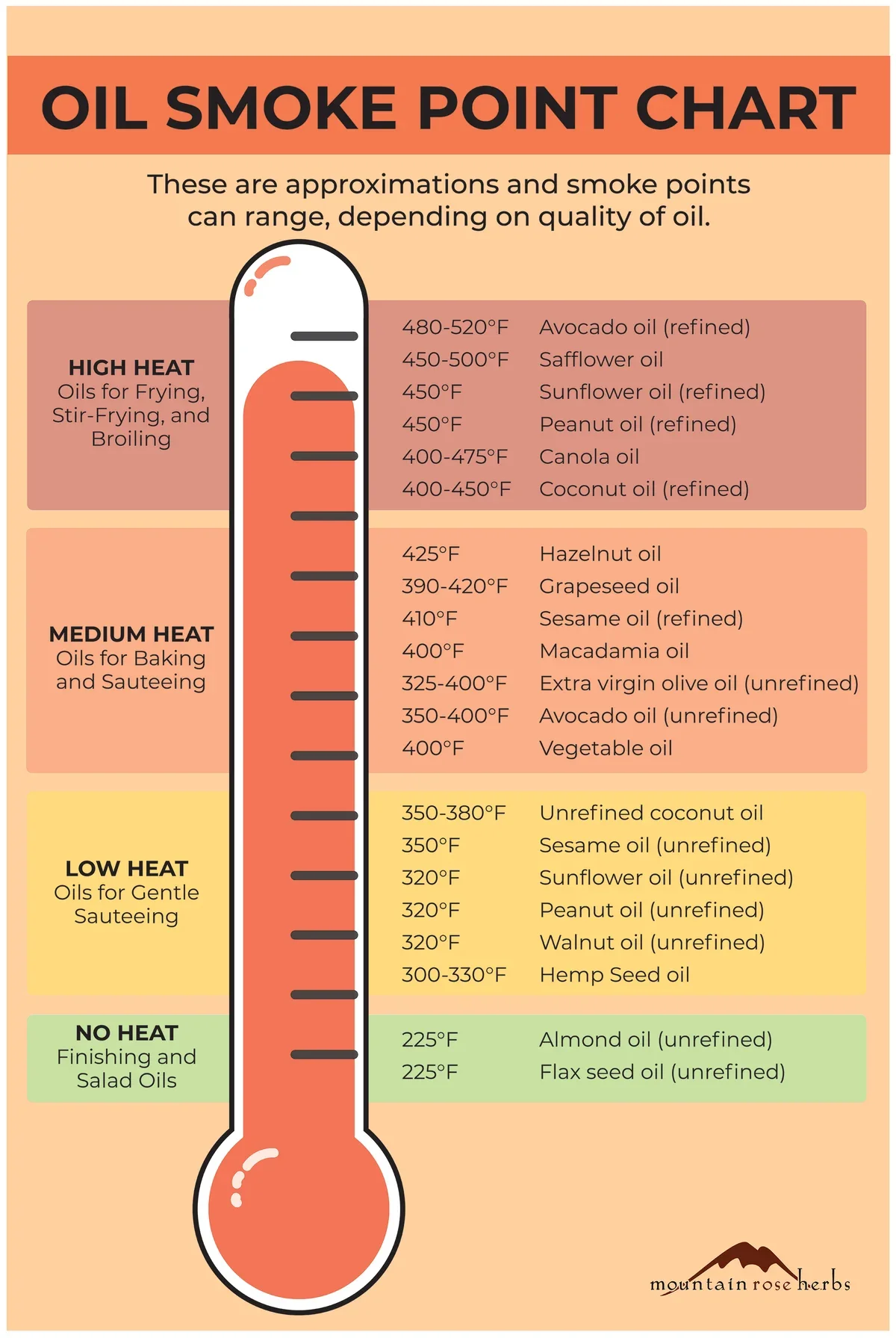
Cooking with the right oils can boost the flavor of your meals and support your overall wellness. By choosing unprocessed, nutrient-rich oils and using them in the right ways, you're taking a simple but powerful step toward healthier eating. Keep a few good options on hand and enjoy experimenting with what tastes and feels best for you.








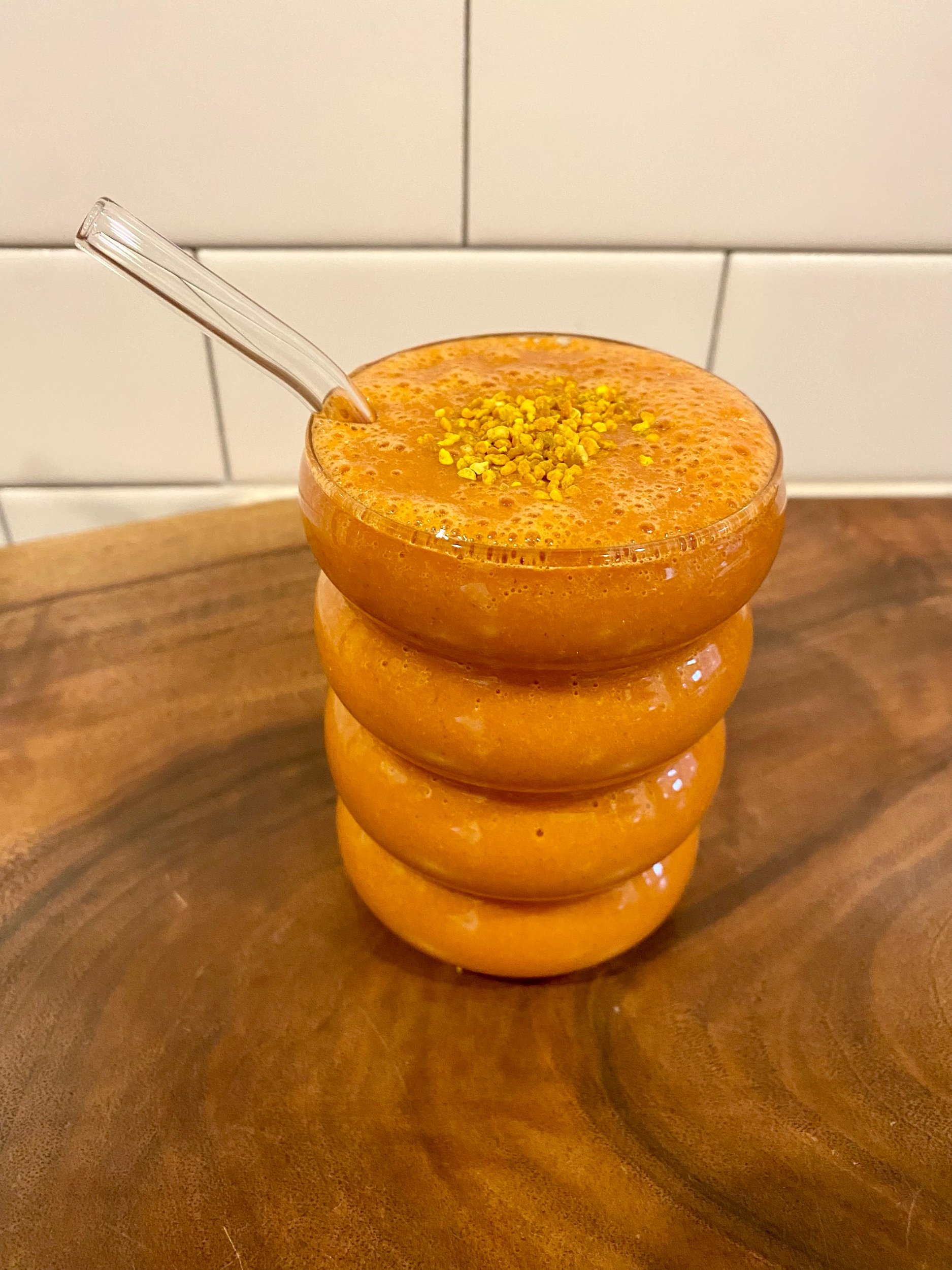


















Fireside tonic, also known as Fire Cider, has been used in natural medicine to help ward off colds and boost digestion. This article offers an east to follow recipe.