
Perfect Roasted Kabocha Squash

Roasted Kabocha Squash—A Warming, Nourishing Dish
As the air turns crisp and the leaves begin to fall, our bodies naturally crave warming, grounding foods that provide nourishment and stability. In Traditional Chinese Medicine (TCM), eating in alignment with the seasons is an essential practice for maintaining balance and health. Autumn and winter are times when yang energy declines, and the cooler, more introspective yin energy takes over. During this shift, warming foods like roasted kabocha squash help support digestion, boost energy, and fortify the body's natural defenses.
Kabocha Squash in TCM
Kabocha squash, often called Japanese pumpkin, is a deeply comforting ingredient that’s naturally sweet, rich in fiber, and packed with essential nutrients. In TCM, squash is classified as a warming food that benefits the Spleen and Stomach, which play key roles in digestion and energy production. Because kabocha squash has a soft, creamy texture when cooked, it is easy to digest, making it an excellent choice for those with Spleen Qi Deficiency—a condition often marked by bloating, fatigue, or a sluggish metabolism.
Beyond its digestive benefits, kabocha squash also nourishes Qi (vital energy) and provides gentle warmth to the body. Unlike overly spicy foods that may create excess internal heat, roasted kabocha squash offers a balanced warmth that supports circulation and keeps the body energized without overstimulating it. This makes it especially beneficial for those who tend to feel cold, experience poor circulation, or need grounding during the colder months.
Enhancing the Benefits with Warming Spices
To amplify the warming properties of kabocha squash, roasting it with olive oil or ghee helps add moisture and prevent dryness—a common concern in autumn, according to TCM. A touch of cinnamon further strengthens the digestive system, while black pepper promotes circulation and enhances nutrient absorption. For a hint of sweetness, a drizzle of honey or maple syrup not only enhances the natural caramelization of the squash but also supports the Lungs, which are associated with the autumn season in TCM.
This roasted kabocha squash recipe is the perfect cozy side dish, nourishing snack, or addition to soups and grain bowls. It serves as a reminder that eating well isn’t just about satisfying hunger—it’s about tuning in to what our bodies need to stay balanced and resilient through the seasons.
This simple yet deeply nourishing dish is a perfect example of how seasonal, whole foods support overall well-being. As temperatures drop, embrace warming, grounding meals like this roasted kabocha squash to keep your body balanced and energized. After all, in TCM, food isn’t just sustenance—it’s medicine. 🍂✨
If chopping and peeling winter squash isn't your favorite task, you're not alone! The good news is that kabocha squash doesn’t need to be peeled—its skin is entirely edible. If your squash has particularly rough or dry spots, you can trim those away, but the smooth green or orange skin can stay on, adding both texture and nutrients to your dish.
Ingredients
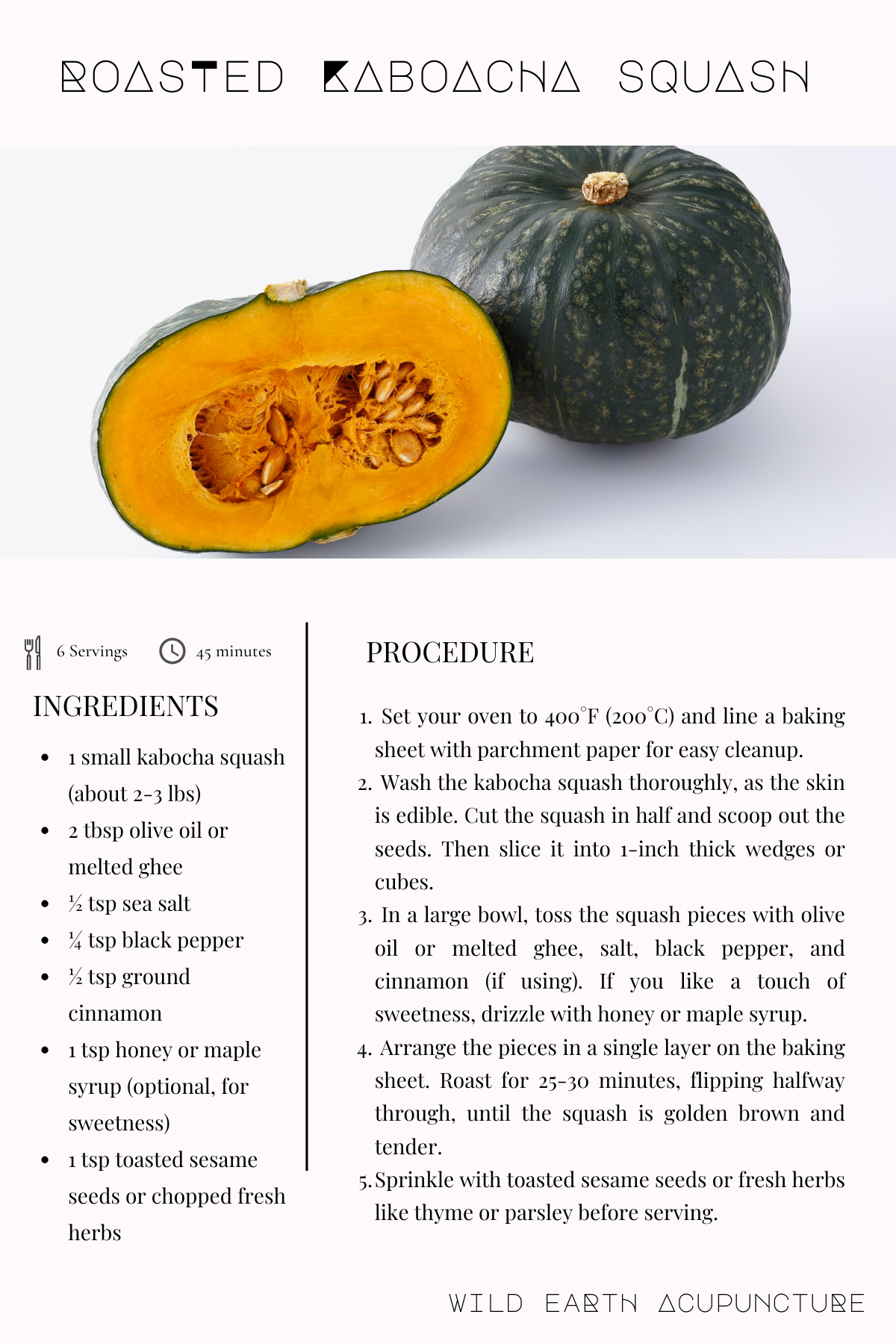
1 small kabocha squash (about 2-3 lbs)
2 tbsp olive oil or melted ghee, or sesame oil
1/2 tsp sea salt
1/4 tsp black pepper
1/2 tsp ground cinnamon (optional, for warmth)
1 tsp honey or maple syrup (optional, for sweetness)
1 tsp toasted sesame seeds or chopped fresh herbs (for garnish)
Procedure
Set your oven to 400°F (200°C) and line a baking sheet with parchment paper for easy cleanup.
Wash the kabocha squash thoroughly, as the skin is edible. Cut the squash in half and scoop out the seeds. Then slice it into 1-inch thick wedges or cubes.
In a large bowl, toss the squash pieces with olive oil or melted ghee, salt, black pepper, and cinnamon (if using). If you like a touch of sweetness, drizzle with honey or maple syrup.
Arrange the pieces in a single layer on the baking sheet. Roast for 25-30 minutes, flipping halfway through, until the squash is golden brown and tender.
Sprinkle with toasted sesame seeds or fresh herbs like thyme or parsley before serving.







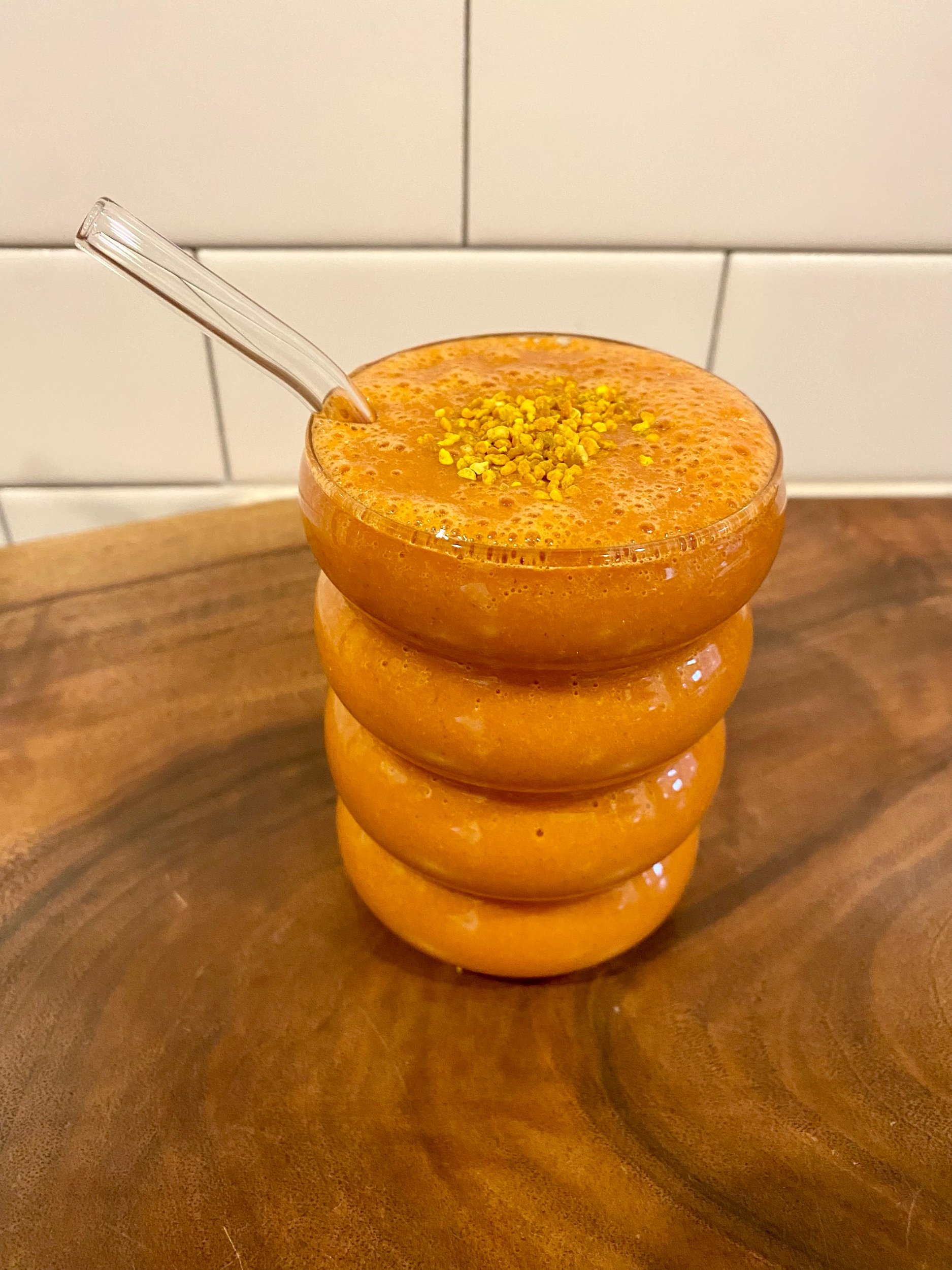

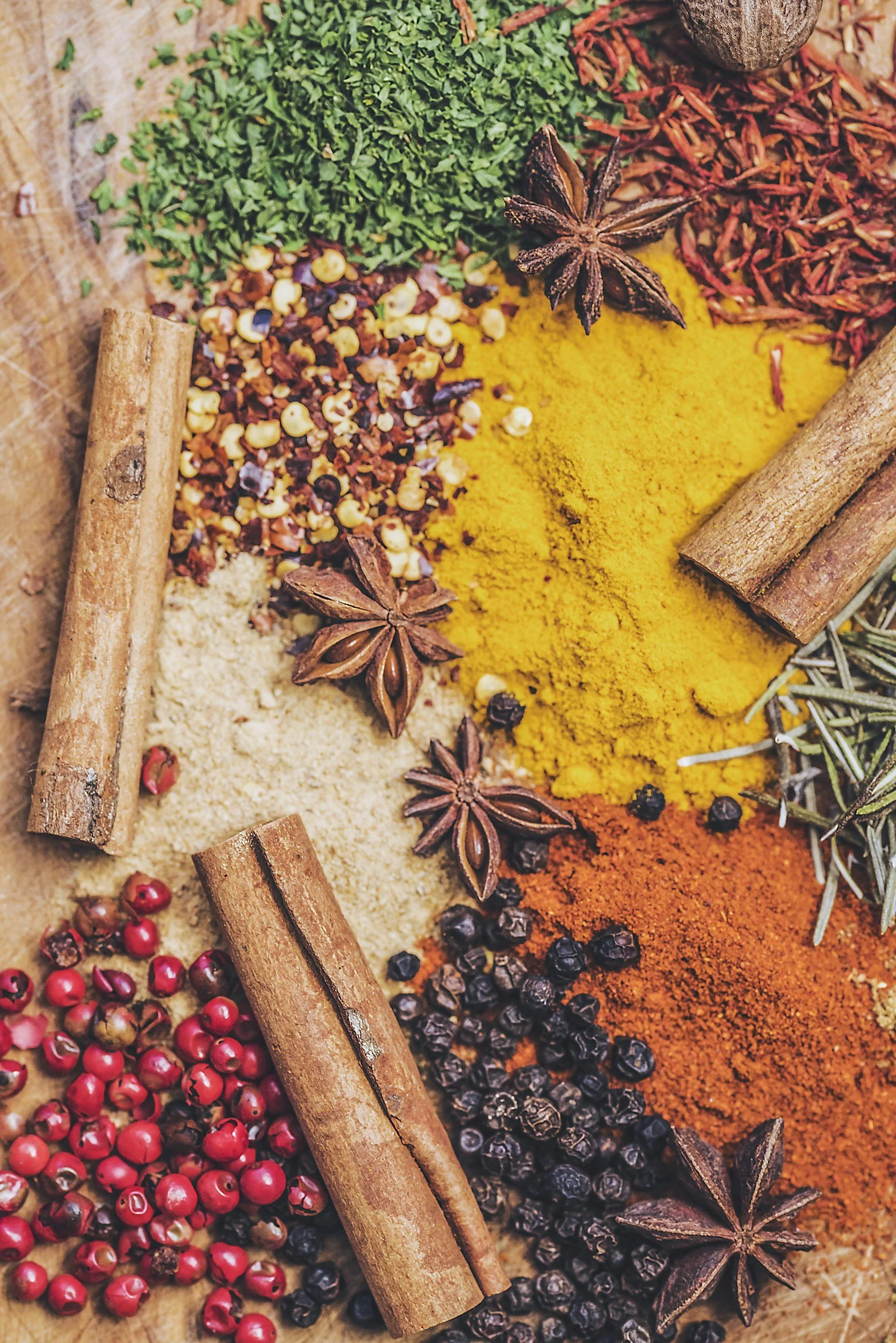

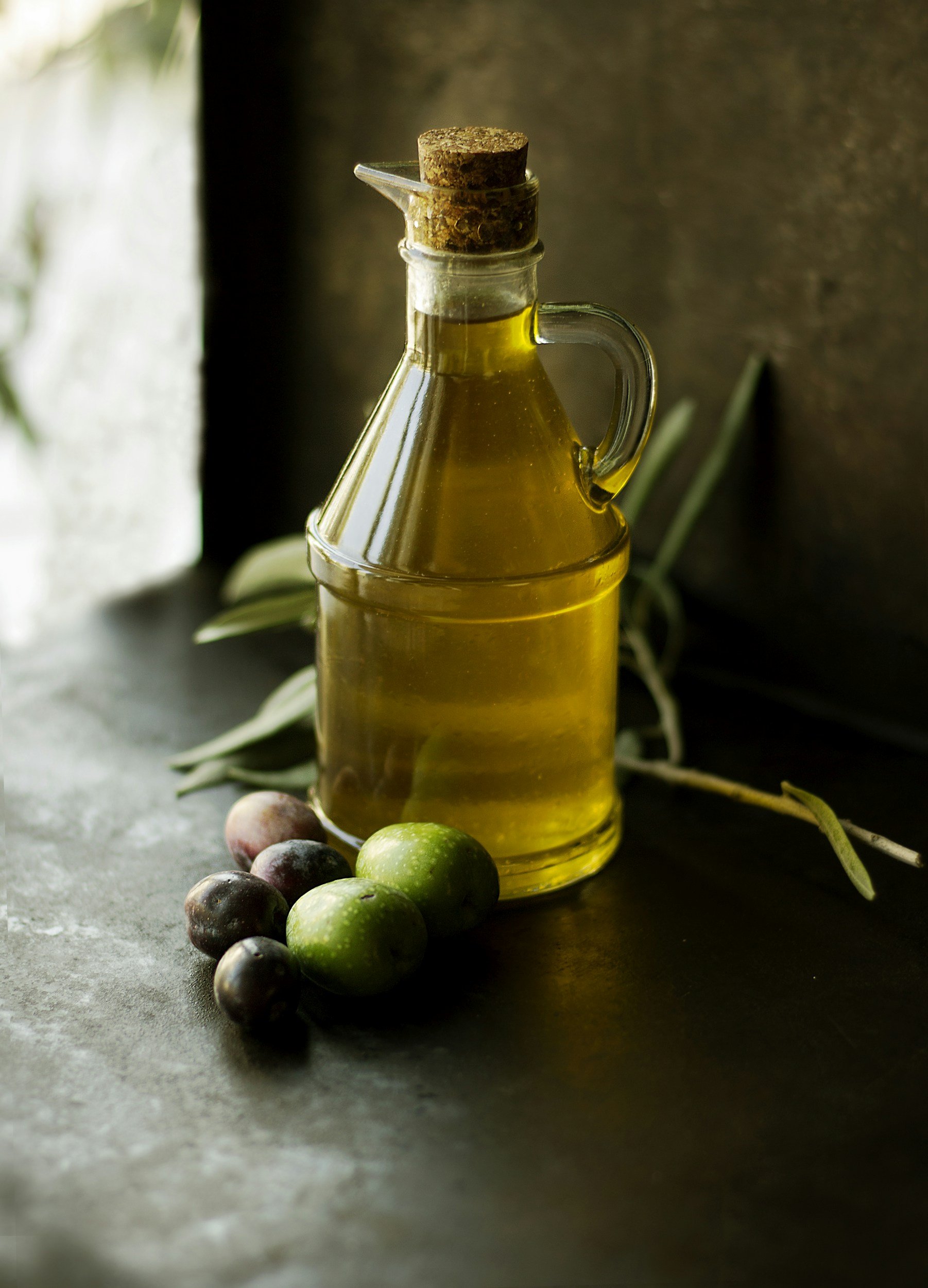

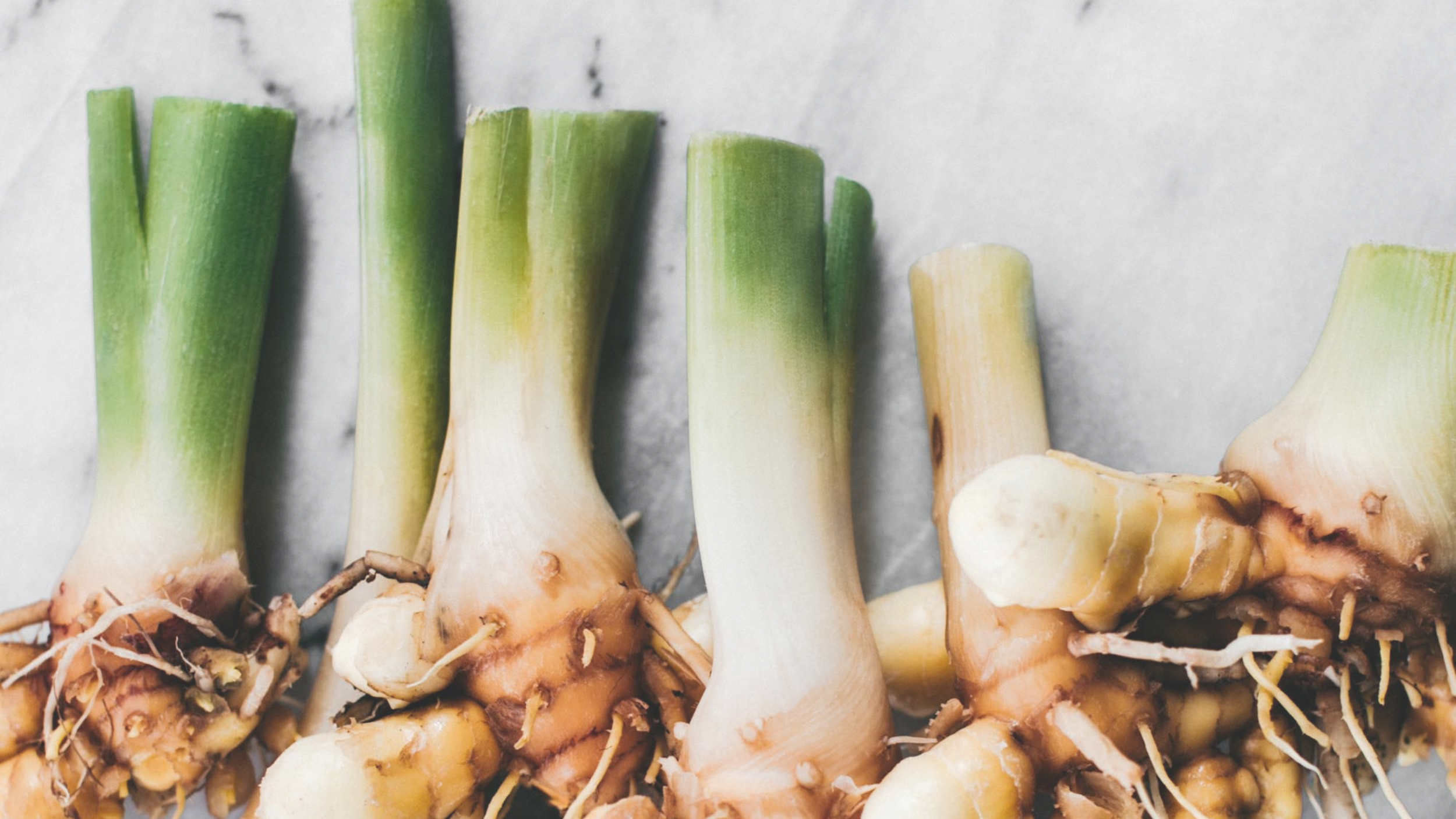














Fireside tonic, also known as Fire Cider, has been used in natural medicine to help ward off colds and boost digestion. This article offers an east to follow recipe.