
Postpartum Support in Chinese Medicine
Postpartum Support; Nurturing Body, Mind, and Spirit During Birth Recovery
The postpartum period is a beautiful, often fragile season that begins after birth, unfolding gently—or at times wildly—and sometimes lingering for years. It is a sacred span of recovery and transition, essential to a new mother’s health and well-being. During this time, a woman’s body, mind, emotions, and hormones slowly recalibrate to life after childbirth, often requiring deep nourishment and attentive care. Support is needed to restore Qi and Blood, replenish energy, and tenderly nurture both mother and child. This guide offers practical ways to provide that support, weaving together insights from both Western medicine and Traditional Chinese Medicine (TCM).

Supporting your mental and physical health can feel challenging while caring for a new baby, as the demands of motherhood are vast and ever-present. Amid the joy and tender bonding, there may also be exhaustion, anxiety, and emotional shifts that make self-care feel distant or out of reach. This season can bring sleep deprivation, changing moods, and moments of isolation as you learn the rhythms of a new life. For many mothers, attention naturally turns toward the baby, and personal needs quietly fade into the background. For others, this time is filled with deep contentment, nesting, softness, and pure joy, an experience just as valid and worthy of honoring, without comparison to any other.
However, it’s essential to remember that taking care of yourself is not selfish; it’s crucial for both your physical and mental health, and your ability to care for your little one. By setting aside even small moments for rest, nourishing meals, and supportive practices like mindfulness or gentle movement, you can replenish your Qi. Seeking help from loved ones, joining a support group, or even talking with a postpartum counselor can provide much-needed relief and help you feel connected. Reaching out for assistance when needed allows you to maintain a sense of balance, supporting both your physical and emotional health during this transformative time.
Common Postpartum Challenges
1. Pain and Discomfort
After giving birth, women often experience pain throughout their body. Common sources of discomfort include sore nipples from breastfeeding, uterine contractions as the uterus works its way back down to size, and perineal or labial pain from stretching or tearing. Hemorrhoids and muscle soreness can also add to the discomfort.
- Supportive Products: Consider items like adult disposable underwear for the initial heavy bleeding, supportive underwear, numbing sprays, and cold pads with aloe vera or witch hazel for perineal relief. Nipple soothies (chilled if possible) can also help relieve sore nipples.
- Medication and Supplements: Homeopathic arnica can be a gentle yet effective ally in postpartum recovery, particularly for easing pain, reducing bruising, and supporting the body’s natural healing process. Known for its anti-inflammatory and pain-relieving properties, arnica is often used to soothe muscle soreness, decrease swelling, and assist with tissue repair. When taken in low doses every few hours, it can be alternated with NSAIDs, if needed, to provide balanced relief. Over-the-counter ibuprofen (600 mg every 4–6 hours) may also help alleviate discomfort. For mothers seeking a natural remedy with minimal side effects, arnica can be a valuable addition to the postpartum care toolkit, offering support without interfering with breastfeeding or other treatments. Additional supports, such as stool softeners like senna leaf or docusate sodium, can help ease postpartum constipation, while continuing prenatal vitamins and fish oil supplements may further nourish recovery.
2. Rest, Nourishment, and Rebuilding Qi and Blood
The postpartum period is viewed as a time of Qi and Blood deficiency for many women. Women lose significant Blood and Qi during childbirth, which may lead to issues like fatigue, poor appetite, and even postpartum depression if not addressed properly.
- Essential Habits: Rest as much as possible, accept help when offered, and focus on nourishing, blood-rich foods like beef, lamb, eggs, spinach, black beans, and ginger. Avoid cold or raw foods and focus on warming, nutrient-dense options like soups and stews.
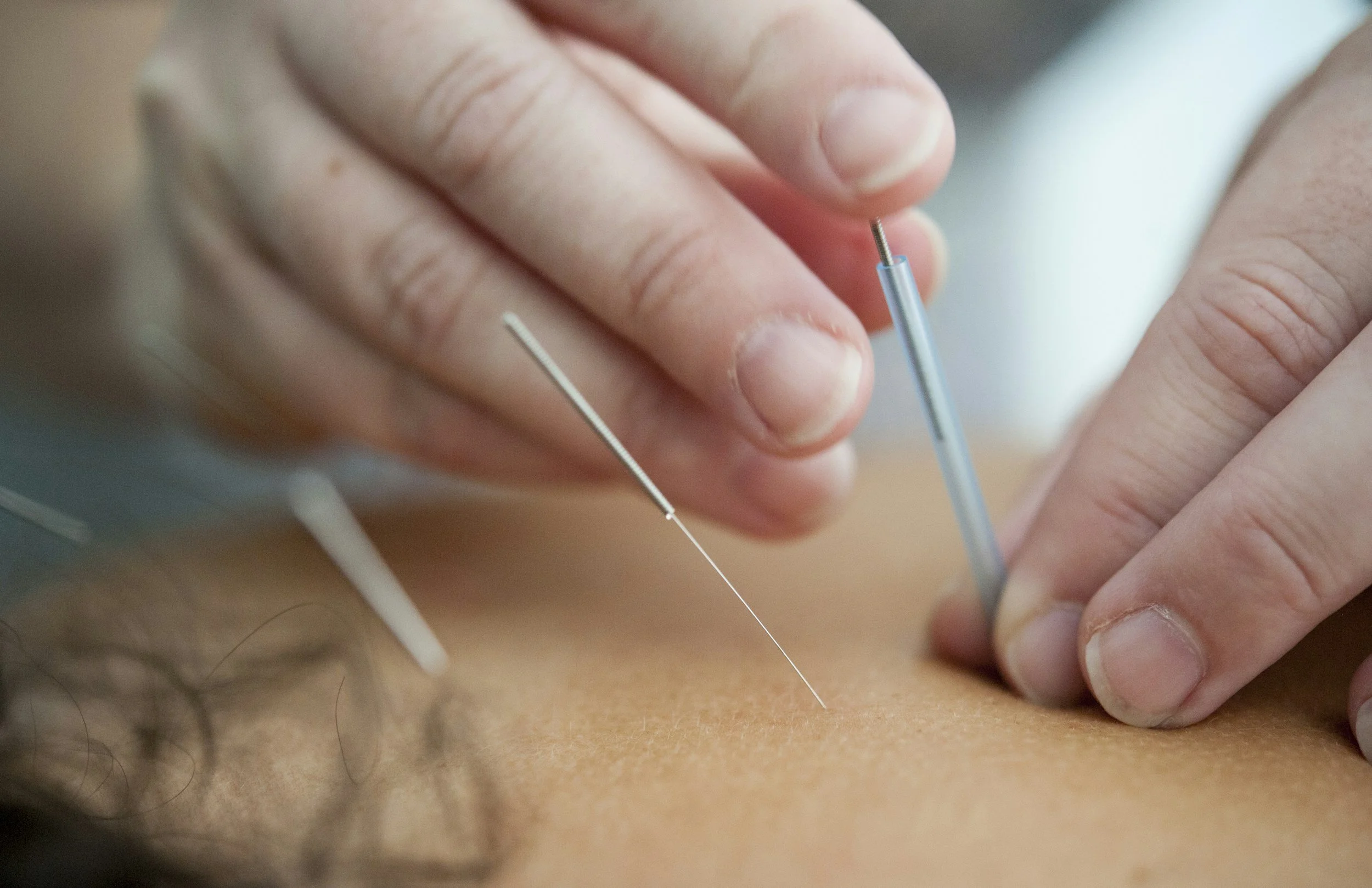
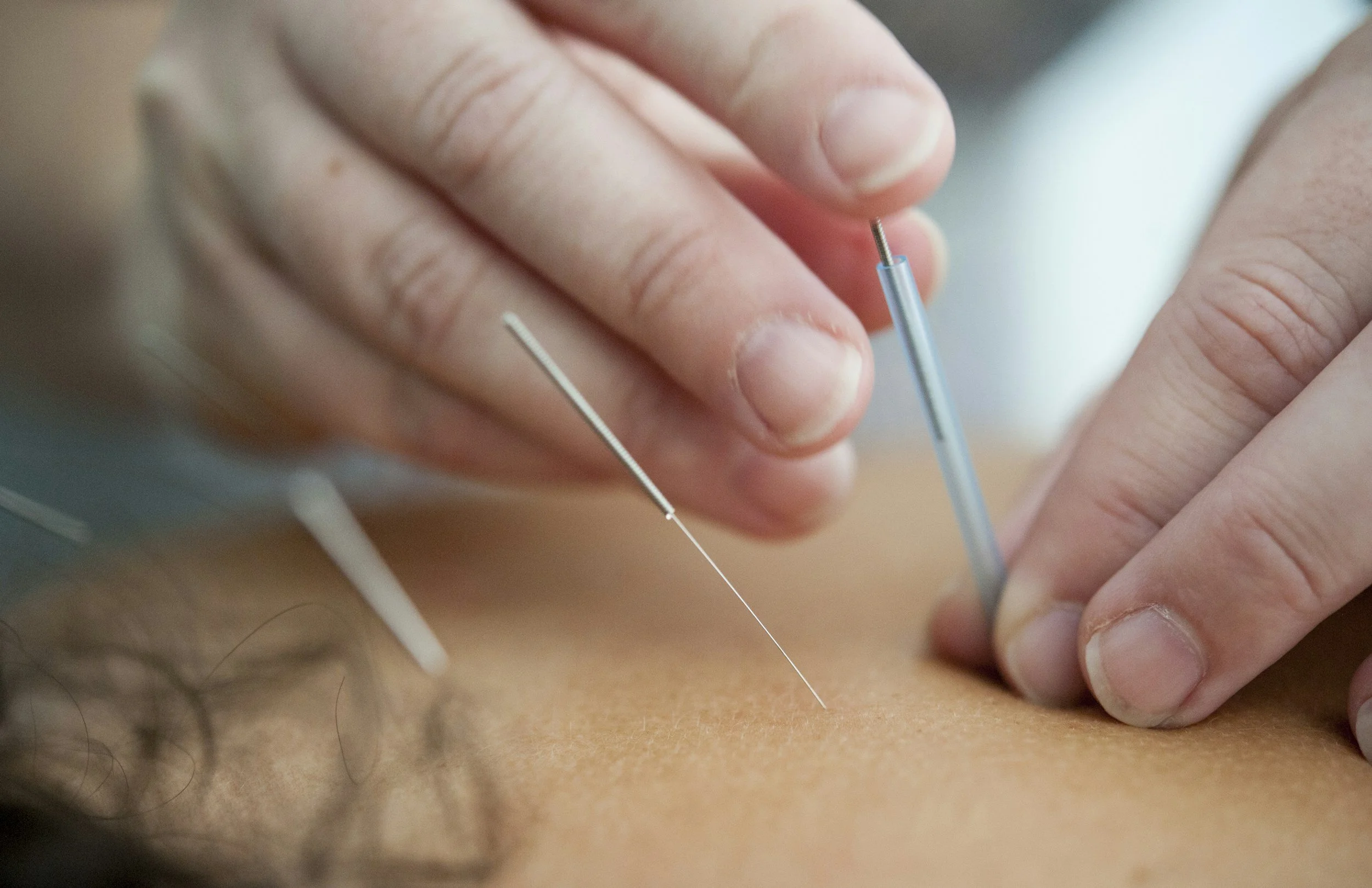
- Chinese Herbs and Acupuncture: Customized herbal formulas and acupuncture treatments can be highly effective in replenishing Qi and Blood. Specific points like ST 36 (Zusanli) and SP 6 (Sanyinjiao) may support energy recovery and address postpartum deficiencies.
3. Supporting Milk Supply
If you choose, and are able to breastfeed, building and maintaining milk supply can be challenging. Nutrient-rich foods, hydration, and specific herbs can help.
- Herbal and Nutritional Support: Consider herbal blends like Vitanica’s Lactation Blend or Mother’s Milk Tea. Fenugreek (3000 mg daily) is also beneficial, though it can cause a maple syrup scent. Aim for 75-100 grams of protein per day from sources like meat, seeds, and protein powders, along with plenty of healthy fats from nuts, avocado, and coconut.
- Additional Tips: Pumping between feedings can boost supply, and tools like nipple shields can alleviate tenderness. Drinking plenty of water, around 100 ounces per day, is crucial for milk production.
4. Mental and Emotional Support
Postpartum mood challenges are common and can range from “baby blues” to postpartum depression. Many symptoms, such as fatigue, poor memory, and mood swings, are signs of Qi and Blood deficiency. Seeking support from family, friends, or a postpartum doula can ease this transition.
- Community and Professional Help: Postpartum doulas or lactation consultants can be invaluable, especially if family support is limited. Groups like La Leche League also offer resources and a sense of community.
- Rest: The body requires time and sleep to heal, so accept help for household chores. Limit visitors initially or ask them to contribute practically by preparing meals or cleaning. This lets you rest and bond with your baby.
Special Considerations Based on Birth Type
Vaginal Birth
Using a squirt bottle with water (or a healing herbal solution) after urination can help keep tissues clean. Sitz baths with calendula, comfrey, and lavender can relieve perineal soreness.
Cesarean Birth
C-section recovery often requires additional wound care. Scar creams like tamanu oil and gentle massages (after healing) can help with scar tissue flexibility and appearance.
Extra Tips for a Smooth Postpartum Transition
1. Breastfeeding Essentials
- Use nipple creams (lanolin or coconut oil) after each feeding to prevent cracking.
- Ensure correct latch; poor latch can cause soreness or bruising.
2. Setting Up Nursing Stations
Having a designated nursing spot in different rooms stocked with essentials (water, snacks, a book) reduces stress and supports regular feeding.
3. Baby’s Health and Safety
- Choose a pediatrician early to avoid long waitlists. Preparing a list of emergency contacts is helpful for new parents.
- First aid and CPR training are beneficial for emergency situations, and might help you feel more empowered.
- Plan childcare options if returning to work, as daycare centers often have waitlists.
4. Healthy Feeding and Growth Tracking
Apps like The Wonder Weeks can help track baby growth spurts and developmental milestones, offering insights into expected challenges.
5. Practical Help for Visitors
Encourage helpful visitors who can contribute by cleaning, cooking, or handling tasks around the home, rather than just holding the baby.
Herbs and Nutrition
The postpartum period is a wonderful time to embrace herbs and nutrition to support your body as it heals and adjusts. Raspberry leaf and nettle leaf teas are excellent choices, as they’re rich in minerals like iron and calcium, which help replenish nutrients lost during childbirth and support uterine recovery. Staying hydrated with plenty of water and electrolytes is also key, especially if you’re breastfeeding, as it helps maintain milk supply and boosts energy levels. Nourishing, calorie-dense foods are vital too, providing the fuel your body needs for healing and milk production. This isn’t the time to worry about “bouncing back” – instead, focus on nourishing yourself deeply. Every nutrient you consume strengthens not only your body but also your baby’s through breast milk, creating a foundation for long-term health and vitality.
Postpartum recovery is a deeply personal journey. By balancing Western and Chinese Medicine practices, new mothers can navigate this period with greater physical and emotional support. Rest, nourishment, and a supportive community are invaluable, ensuring that the transition into motherhood is met with the strength and vitality needed for the journey ahead.
Herbs for Boosting Milk Supply- Fennel, Fennugreek, Brewers Yeast
Herbs for Stopping Lactation- Sage
Herbs to help Nourish Qi and Boost, and build resiliency- Red Raspberry leaf, Astragulus, Reishi
Resources



























🌿 Love What You See? Want It All? This bundle was made for you! 🌿
Get the ultimate herbal wellness collection in one beautifully curated package. This bundle includes:
✨ Essential Tastes Cookbook – Explore the Five Flavors of TCM through immune-boosting, nourishing recipes.
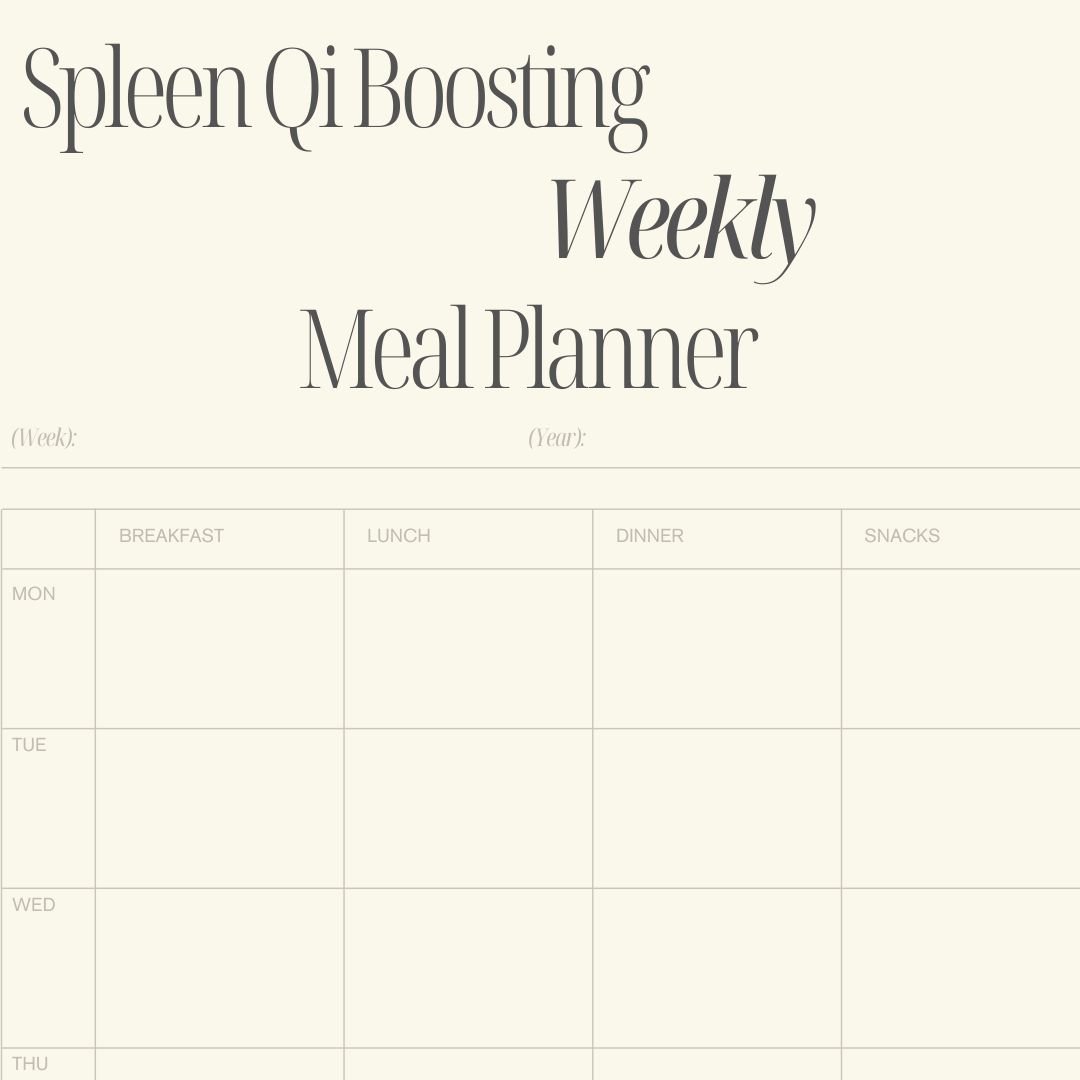
🥗 Spleen Qi Meal Planners – Two full weeks of meal plans (vegetarian and non-vegetarian) to support digestion and energy.
🫙 Herbal Pantry for Everyday Wellness – Learn the top 10 must-have herbs and exactly how to use them at home.
Whether you’re just starting your herbal journey or deepening your practice, this bundle gives you the tools to nourish your body, mind, and spirit—season by season, meal by meal.
✨ Save big and empower your kitchen with centuries of wisdom—naturally. ✨
$70 value for only $45!