Creative Ways to Boost Protein in Plant-Based Diets
Creative Ways to Boost Protein in Plant-Based Diets
Protein is essential for our health; it's the building block of muscles, organs, skin, and even hormones. From repairing tissues to supporting immune function and keeping us energized, this powerhouse nutrient plays a critical role in nearly every part of the body.
When people think of protein, they often picture meat, eggs, or dairy. That’s why one of the biggest myths about plant-based eating is that it’s difficult, if not impossible, to get enough protein without animal products. But that couldn’t be further from the truth. In reality, a well-planned plant-based diet can provide all the protein your body needs along with added benefits like fiber, antioxidants, and heart-healthy nutrients. Whether you're fully plant-based or just looking to eat less meat, there are countless delicious and satisfying ways to boost your protein intake using plants alone.
In this article, we’ll explore simple, creative, and tasty ways to add more protein to your meals, from everyday pantry staples to nutrient-rich superfoods, so you can fuel your body with confidence, no matter your diet.
Understand Your Protein Needs
Before making changes to your diet, it helps to know how much protein your body needs. The general rule is about 0.8 grams of protein per kilogram of body weight per day. That means:
● A person who weighs 60 kg (132.28 lbs) needs at least 48 grams of protein daily, unless they are highly active or weight training/ trying to build muscle, then they need more.
● Active people or athletes may need around 1.2 to 2.0 grams per kilogram.
● Pregnant and breastfeeding women also need more protein to support their health and their baby’s growth.
Knowing your protein needs helps you plan meals that give your body what it needs to stay strong and healthy.
Complete vs. Incomplete Proteins
Proteins are made of building blocks called amino acids. Some foods have all the amino acids your body needs, these are called complete proteins. Most animal-based foods are complete, but some plant-based ones are too, like quinoa or soy. Other plant foods are incomplete proteins, meaning they are missing one or more essential amino acids. But you can still get all your amino acids by eating a mix of different plant foods during the day. For example, eating rice and beans or peanut butter on whole grain bread can give you complete protein.
List of High-Protein Plant Foods
Many plant foods are naturally high in protein. Here are some of the best ones and how to use
● Lentils (18g per cup) – Use in soups, stews, or lentil tacos.
● Chickpeas (15g per cup) – Roast them for snacks or make chickpea salad sandwiches.
● Tofu (20g per cup) – Add to stir-fries, curries, or scramble for breakfast.
● Tempeh (30g per cup) – Slice and pan-fry for wraps or rice bowls.
● Quinoa (8g per cup, cooked) – Use instead of rice in salads or as a base for Buddha bowls.
● Black beans (15g per cup) – Add to chili, burritos, or veggie burgers.
These foods are not only rich in protein but also full of fiber, iron, and other important nutrients.
Add Protein to Every Meal Strategically
Breakfast
Start your day with a high-protein breakfast to feel full and energized:
● Tofu scramble with spinach, mushrooms, and peppers.
● Oatmeal topped with chia seeds, hemp seeds, and nut butter.
● Vegan protein pancakes made with plant-based protein powder.
● Smoothie with soy milk, peanut butter, spinach, and protein powder.
Lunch
Keep your lunch filling and protein-rich:
● Chickpea salad sandwich with whole grain bread.
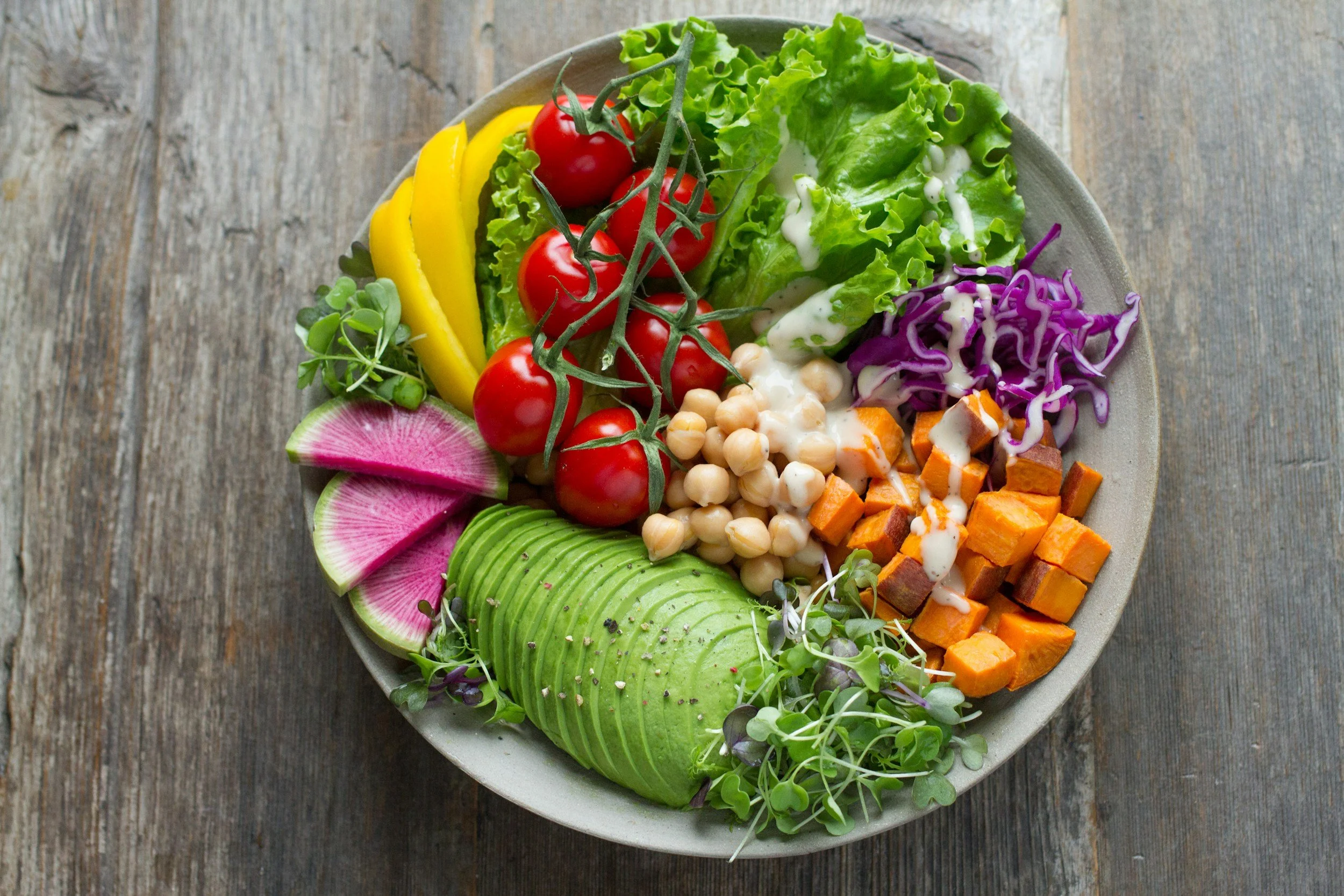
● Grain bowl with quinoa, roasted vegetables, black beans, and tahini sauce.
● Hummus wrap with grilled veggies and greens.
● Lentil soup with a slice of whole grain toast.
Dinner
End the day with a solid protein meal:
● Stir-fry with tofu, broccoli, and brown rice.
● Stuffed bell peppers with quinoa and black beans.
● Vegan chili with kidney beans, black beans, and lentils.
● Tempeh tacos with avocado and salsa.
Snacks
Snacks can help you reach your protein goals too:
● Roasted chickpeas with spices.
● Trail mix with nuts, seeds, and dried fruit.
● Vegan protein bar or homemade energy balls.
● Coconut yogurt with granola and berries.

Supercharge with Seeds and Nuts
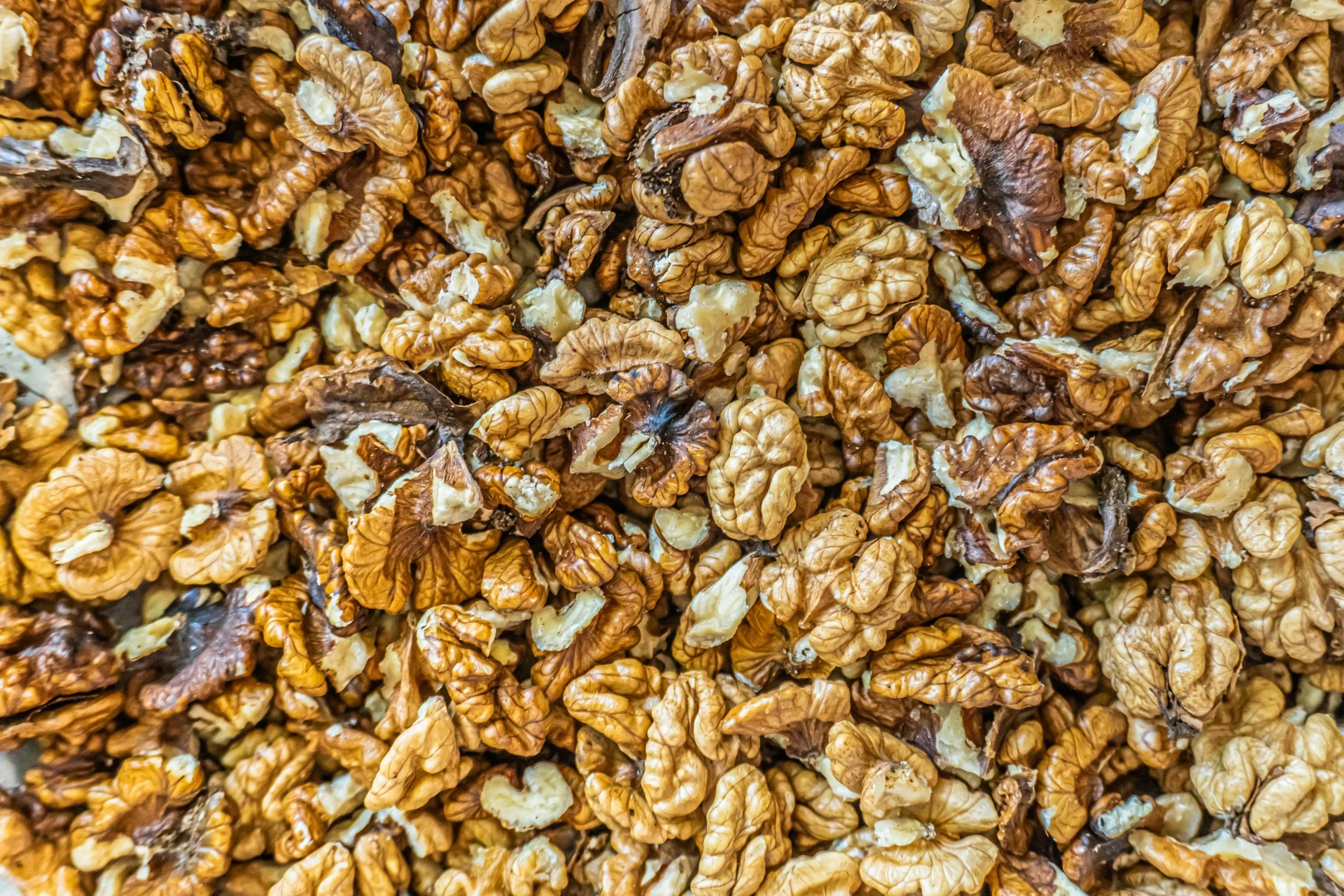
Incorporating protein-rich seeds and premium mixed nuts like almonds, walnuts, and cashews into your diet is an easy and tasty way to boost protein intake on a plant-based diet.
● Chia seeds (5g per 2 tbsp) – Add to smoothies, yogurt, or make chia pudding.
● Hemp seeds (10g per 3 tbsp) – Sprinkle on salads, pasta, or cereal.
● Pumpkin seeds (7g per cup) – Great for snacking or topping soups.
● Almonds (6g per cup) – Eat as a snack or add to oatmeal.
● Peanut butter (8g per 2 tbsp) – Spread on toast or mix into smoothies.
Adding just a few tablespoons of seeds or a handful of nuts to meals can make a big difference.
Combine Foods to Maximize Amino Acids
Some plant foods don’t contain all nine essential amino acids on their own, which means they are considered incomplete proteins. However, by combining different plant-based foods that complement each other, you can create meals that provide all the essential amino acids your body needs for muscle repair, energy, and overall health. These combinations don’t have to be eaten in the same meal, but including a variety throughout the day is key. Great examples of these protein-building combinations include rice and beans, which together form a complete protein; hummus with whole grain pita, combining legumes and grains; peanut butter spread on whole wheat toast; and lentil soup served with barley or whole grain bread. These pairings are not only nutritious but also easy to make and full of flavor.
Don’t Forget Vegetables with Surprising Protein Content
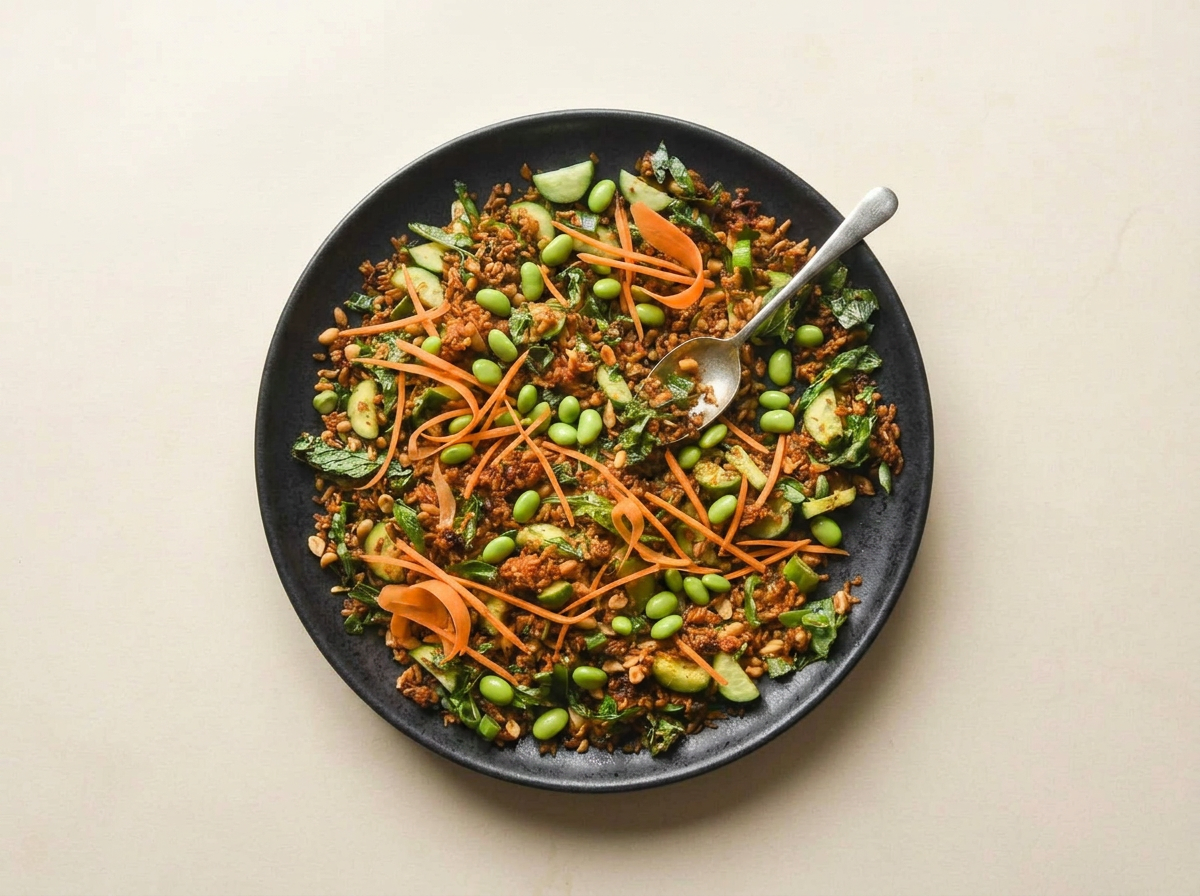
While vegetables are not usually the first foods that come to mind when thinking about protein, several types actually contain a surprising amount. These protein-rich vegetables may not have as much protein per serving as legumes or grains, but they can still make a valuable contribution to your daily intake, especially when included regularly in meals. Adding a variety of these veggies not only boosts protein but also provides fiber, vitamins, minerals, and antioxidants that support overall health. A simple and tasty example is a bowl of spinach with ginger dressing, which combines leafy greens with a flavorful, nutrient-rich topping making it both delicious and protein-supportive.
● Spinach (5g per cooked cup)
● Broccoli (4g per cup)
● Brussels sprouts (3g per cup)
● Kale (3g per cup)
● Green Peas (8g per cup)
Add these to stir-fries, soups, pasta dishes, and salads to give your meals a protein boost, pairing them with hearty ingredients like roasted kabocha squash can also add extra flavor, fiber, and seasonal variety.
Easy Meal Prep Combos
Planning meals ahead is one of the most effective ways to make sure you are getting enough protein every day on a plant-based diet. By preparing balanced meals in advance, you not only save time during the week but also reduce the chances of skipping meals or reaching for less nutritious options. Batch-cooking allows you to mix and match ingredients, so your meals stay interesting while still being rich in protein.
Here are a few quick and satisfying high-protein meal combinations to try:
● Quinoa + black beans + corn + salsa – A protein-packed Mexican-style bowl that’s delicious hot or cold.
● Tofu + broccoli + brown rice + soy sauce – A simple stir-fry loaded with plant protein and fiber.
● Chickpeas + sweet potatoes + kale + tahini dressing – A hearty and nutritious bowl full of protein, healthy fats, and vitamins.
● Lentils + spinach + tomato sauce + whole grain pasta – A comforting, protein-rich twist on a classic pasta dish.
Make these meals in large batches, portion them into containers, and store them in the fridge or freezer. That way, you’ll always have a healthy, protein-rich option ready to go—whether for lunch at work, a quick dinner, or a post-workout meal. Getting enough protein on a plant-based diet is not only possible, it can be fun and tasty too. With the right foods and combinations, you can meet your protein needs without meat, dairy, or eggs. Try new recipes, mix up your meals, and keep you plate full of colorful, protein rich plant based foods!
References
https://medlineplus.gov/ency/article/002222.htm
https://nutritionsource.hsph.harvard.edu/carbohydrates/fiber/
https://www.urmc.rochester.edu/encyclopedia/content?contenttypeid=19&contentid=Iron
https://www.health.harvard.edu/staying-healthy/best-ways-to-recover-from-a-muscle-strain
https://www.medicalnewstoday.com/articles/195878
https://pmc.ncbi.nlm.nih.gov/articles/PMC8693805/
https://www.healthline.com/nutrition/antioxidants-explained













Fireside tonic, also known as Fire Cider, has been used in natural medicine to help ward off colds and boost digestion. This article offers an east to follow recipe.