
How Acupuncture Can Boost IVF Success
Benefits Before and After Embryo Transfer

Understanding Acupuncture’s Role in Fertility and IVF
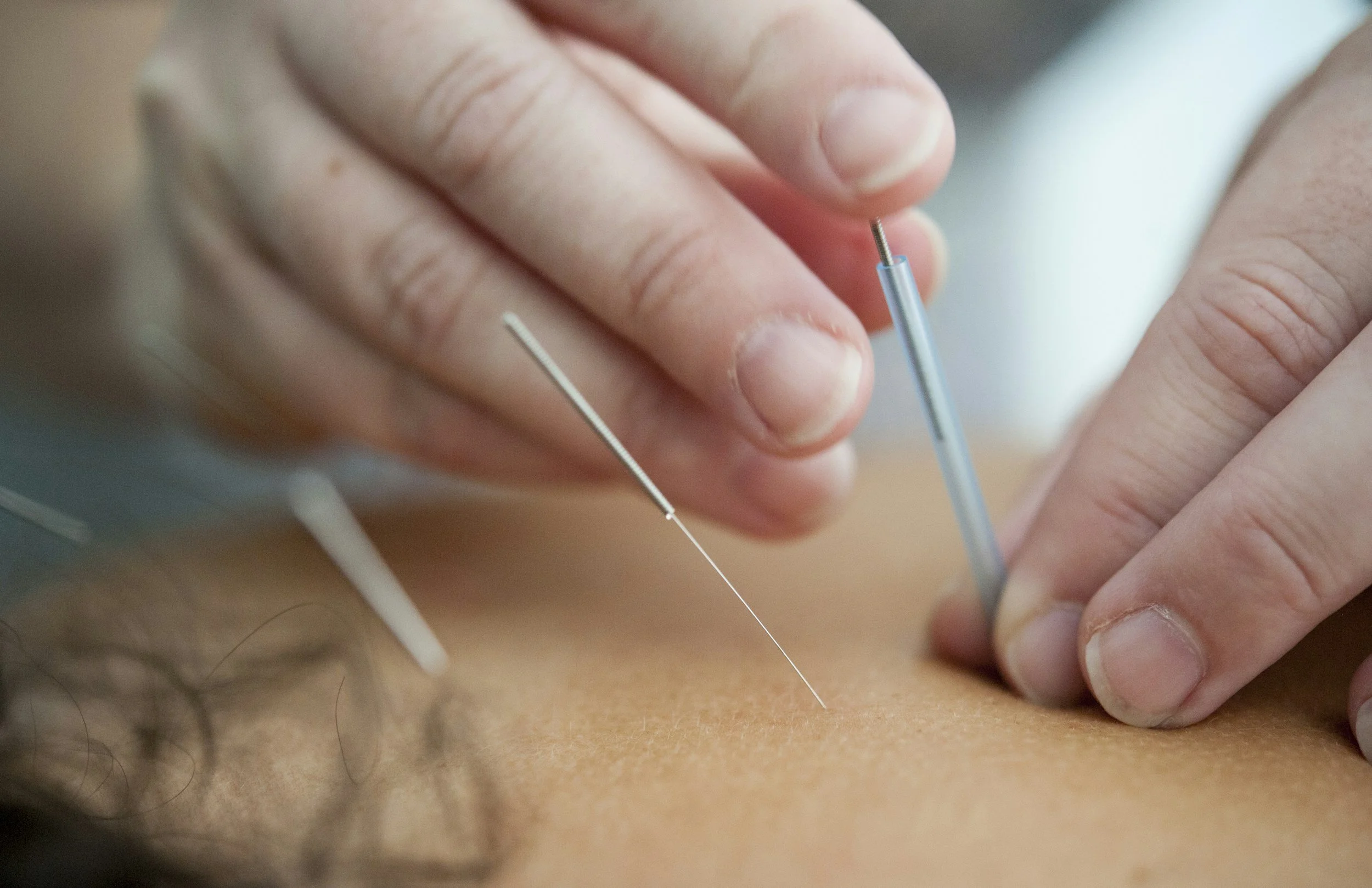
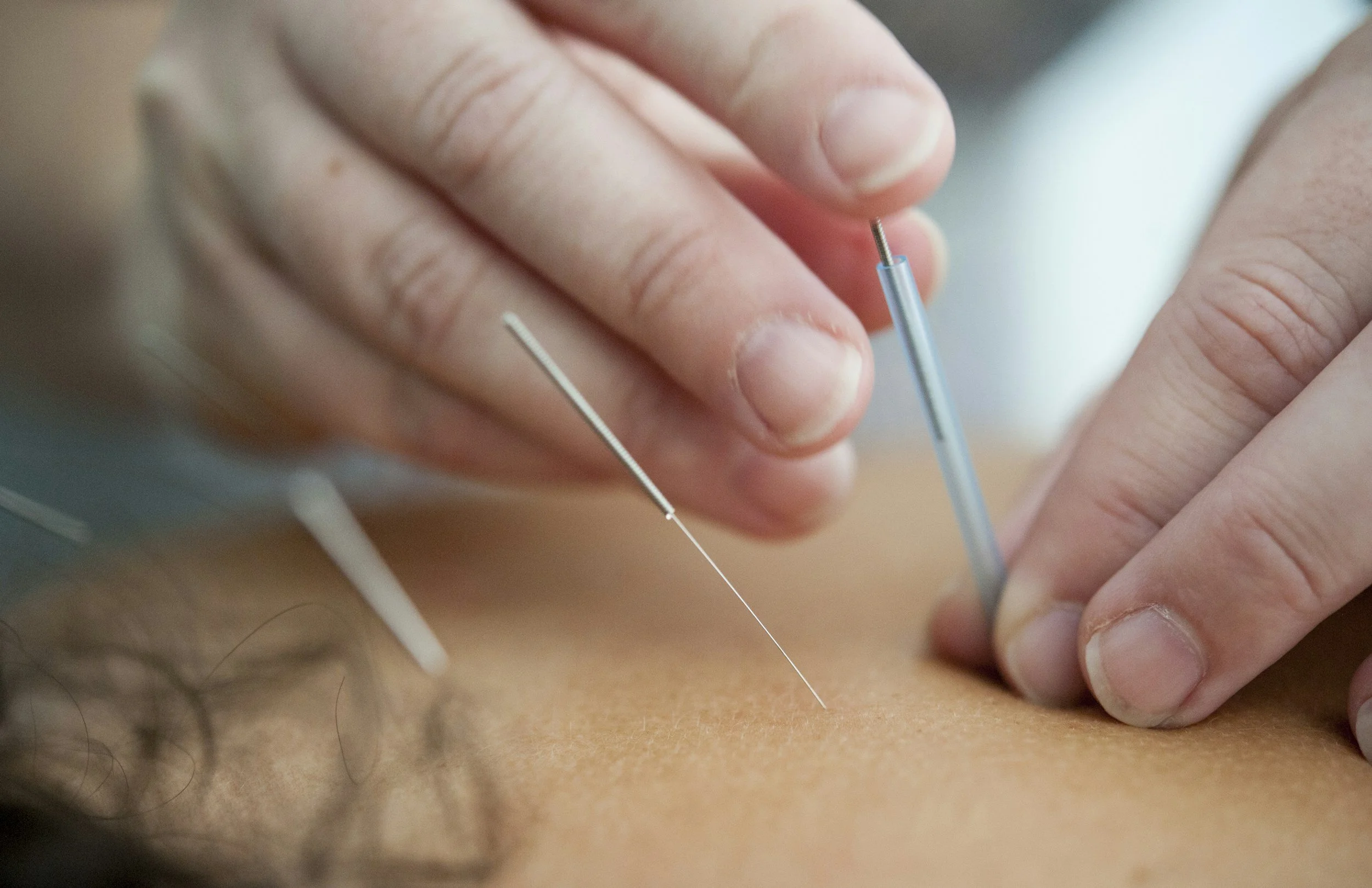
Rooted in Traditional Chinese medicine, acupuncture is renowned for its potential to enhance fertility. By harmonizing the body’s energy flow, or “Qi,” acupuncture promotes balance and helps the body regain homeostasis—foundational elements of reproductive health. When incorporated into In Vitro Fertilization (IVF) treatment, acupuncture can be employed both before and after embryo transfer, potentially increasing the chances of success.
While acupuncture is not a guaranteed solution, nor is IVF, acupuncture serves as a complementary therapy that aligns with conventional fertility treatments. Its natural, non-invasive approach offers a supportive option for individuals and couples on their fertility journey. Consulting with healthcare providers can help determine if acupuncture is a suitable addition to your personalized treatment plan. Most reproductive practitioners agree with the addition of acupuncture on an assisted fertility treatment plan. “Recent meta-analyses found acupuncture is effective to increase the risk of live births by 30% when acupuncture was compared with no treatment in nine trials of 1,980 women. The efficacy of acupuncture is unclear, however, and confounded by the need for an adequate, inert control. Acupuncture does not increase the risk of miscarriage. Additionally, acupuncture was 42% more effective to increase live births when women had previously failed a cycle, and baseline pregnancy rate continues to mediate acupuncture's effects.”
Acupuncture and the Embryo Transfer Process
Embryo transfer is a pivotal milestone in the in-vitro fertilization (IVF) process, marking a time of both anticipation and anxiety. For those navigating the complexities of growing their family, exploring methods to improve outcomes and ease this transition can make a significant difference. One such method is acupuncture—a time-honored practice that may offer unique benefits during this critical phase.
Embryo transfer involves placing a fertilized embryo into the uterus with the goal of achieving pregnancy. Success depends on several factors, including embryo quality, uterine receptivity, and precise timing. This phase, though promising, often brings physical discomfort and emotional stress. Acupuncture may help address these challenges by restoring balance, reducing stress, and improving physiological conditions favorable for implantation.
Research suggests that acupuncture performed immediately before and after embryo transfer can enhance IVF success rates. By increasing blood flow to the uterus and ovaries, acupuncture may optimize conditions for implantation while also alleviating anxiety and promoting relaxation.
Benefits of Acupuncture Before Embryo Transfer
Preparing the body for embryo transfer is crucial, and acupuncture can play a vital role in this process. Key benefits include:
Optimizing Energy Flow: Acupuncture fine-tunes the body’s Qi, creating an environment conducive to successful implantation.
Reducing Stress: Gentle needle insertions stimulate the nervous system, triggering the release of endorphins and reducing cortisol levels.
Fostering Mental Calmness: By alleviating emotional tension, acupuncture encourages a positive mindset, which is essential during this sensitive time.
Studies have shown that acupuncture before embryo transfer correlates with higher implantation success rates, making it a valuable preparatory step in IVF.
Benefits of Acupuncture After Embryo Transfer
Acupuncture’s benefits extend beyond the procedure itself. Post-transfer, acupuncture supports the body in creating an optimal environment for implantation by:
Enhancing Uterine Blood Flow: Improved circulation nourishes the embryo, increasing the likelihood of successful implantation.
Reducing Inflammation: Acupuncture’s anti-inflammatory effects promote healing and mitigate potential barriers to pregnancy.
Promoting Relaxation: A calm, stress-free state fosters better outcomes during the post-transfer phase.
Integrating Acupuncture with Conventional Fertility Treatments
The integration of acupuncture with traditional fertility treatments has shown promising results. This combination merges the physical precision of IVF with the holistic benefits of acupuncture, addressing both the body and mind. Such synergy can lead to a more comprehensive and effective treatment plan. Collaboration between fertility specialists and acupuncturists ensures a well-rounded approach tailored to individual needs. Open communication between patients and their medical team is vital for optimizing care and maximizing the benefits of this integrative strategy.
Choosing the Right Acupuncture Practitioner
Selecting a qualified acupuncturist with expertise in reproductive medicine is essential. Look for practitioners experienced in working with IVF patients who can coordinate effectively with your fertility specialist. A knowledgeable acupuncturist will design a treatment plan that complements your unique circumstances.
Embryo transfer is a monumental step in the IVF process, often accompanied by physical and emotional challenges. Acupuncture offers a complementary pathway to enhance fertility outcomes and support overall well-being. By fostering balance, reducing stress, and creating optimal physiological conditions, acupuncture can be a valuable ally on your fertility journey. If you’re considering acupuncture, consult a qualified practitioner and coordinate with your medical team. With the right support and a personalized plan, acupuncture can enrich your IVF experience and bring you closer to building your family.
Frequently Asked Questions
Is acupuncture safe during embryo transfer?
Yes, when performed by a licensed practitioner, acupuncture is generally safe. Always consult your healthcare provider before starting treatment.
How many acupuncture sessions are recommended?
The number of sessions varies based on individual needs but typically ranges from one to three sessions per week leading up to and following embryo transfer.
Does acupuncture hurt?
Most people experience minimal discomfort. The thin needles used often cause a mild tingling sensation rather than pain.
Can acupuncture help with IVF medication side effects?
Yes, acupuncture may alleviate side effects such as bloating, fatigue, and mood swings by promoting overall balance and well-being.
Does insurance cover acupuncture?
Coverage varies by provider. Check with your insurance company for details about your policy.
Can acupuncture continue during pregnancy?
Yes, but certain acupuncture points are avoided during pregnancy. Inform your acupuncturist if you suspect or confirm pregnancy.
References
https://pmc.ncbi.nlm.nih.gov/articles/PMC6918533/

























Prepare to embark on a transformative journey towards enhancing your fertility naturally with the nutritional outlook of Chinese Medicine. This book is the key to nurturing your body, and balancing your hormones.
🍲 Nutrient-rich recipes to nourish your body
🌱 Traditional Chinese Medicine wisdom for hormonal balance
💫 Tips to support your fertility journey
📖 Expert insights on holistic well-being
⭕️ Seed Cycling and more!