
Natural Remedies for Sinus Infections and Sinus Headaches
Sinus infections and sinus headaches can leave you feeling heavy, congested, and fatigued. These conditions often arise when the sinuses, air-filled spaces in the skull, become inflamed or blocked due to allergies, colds, or infections. While conventional treatments such as antibiotics or decongestants are sometimes necessary, many people find relief by combining these approaches with natural and Traditional Chinese Medicine (TCM) practices.
Below, we’ll explore a natural perspective on easing sinus discomfort, highlighting both modern and natural remedies.

Common Symptoms of Sinus Infections & Headaches
Facial pain or pressure (especially around the eyes, forehead, and cheeks)
Stuffy or runny nose
Headache, often worse when leaning forward
Fatigue and brain fog
Post-nasal drip and sore throat
Conventional Approaches
Conventional medicine often focuses on reducing inflammation, opening the nasal passages, and treating underlying infection. These often include:
Saline nasal sprays or rinses to clear mucus and allergens.
Over-the-counter decongestants or antihistamines for temporary relief.
Pain relievers like ibuprofen or acetaminophen to ease headaches.
Antibiotics in cases of bacterial sinusitis.
Corticosteroid nasal sprays to reduce swelling.
These treatments can be effective, but they may also cause side effects such as dryness, rebound congestion, or digestive upset. That’s why many people turn to more holistic strategies.
Natural Remedies for Sinus Relief
Steam Inhalation- Breathing in warm, moist air helps thin mucus and soothe irritated sinuses. Adding a few drops of eucalyptus, peppermint, or tea tree oil can enhance the effect.
Hydration and Warm Liquids- Drinking plenty of water, herbal teas, or broths supports the body’s ability to flush out mucus. Ginger tea with honey can be especially soothing.
Neti Pot or Nasal Irrigation- A traditional Ayurvedic practice, rinsing the nasal passages with saline solution can help clear congestion and reduce infection risk.
Herbal Allies such as Elderberry: Supports the immune system and reduces inflammation. Goldenseal: Contains natural antimicrobial properties. Garlic: A natural antibiotic and decongestant. Horseradish: Helps break up thick mucus.
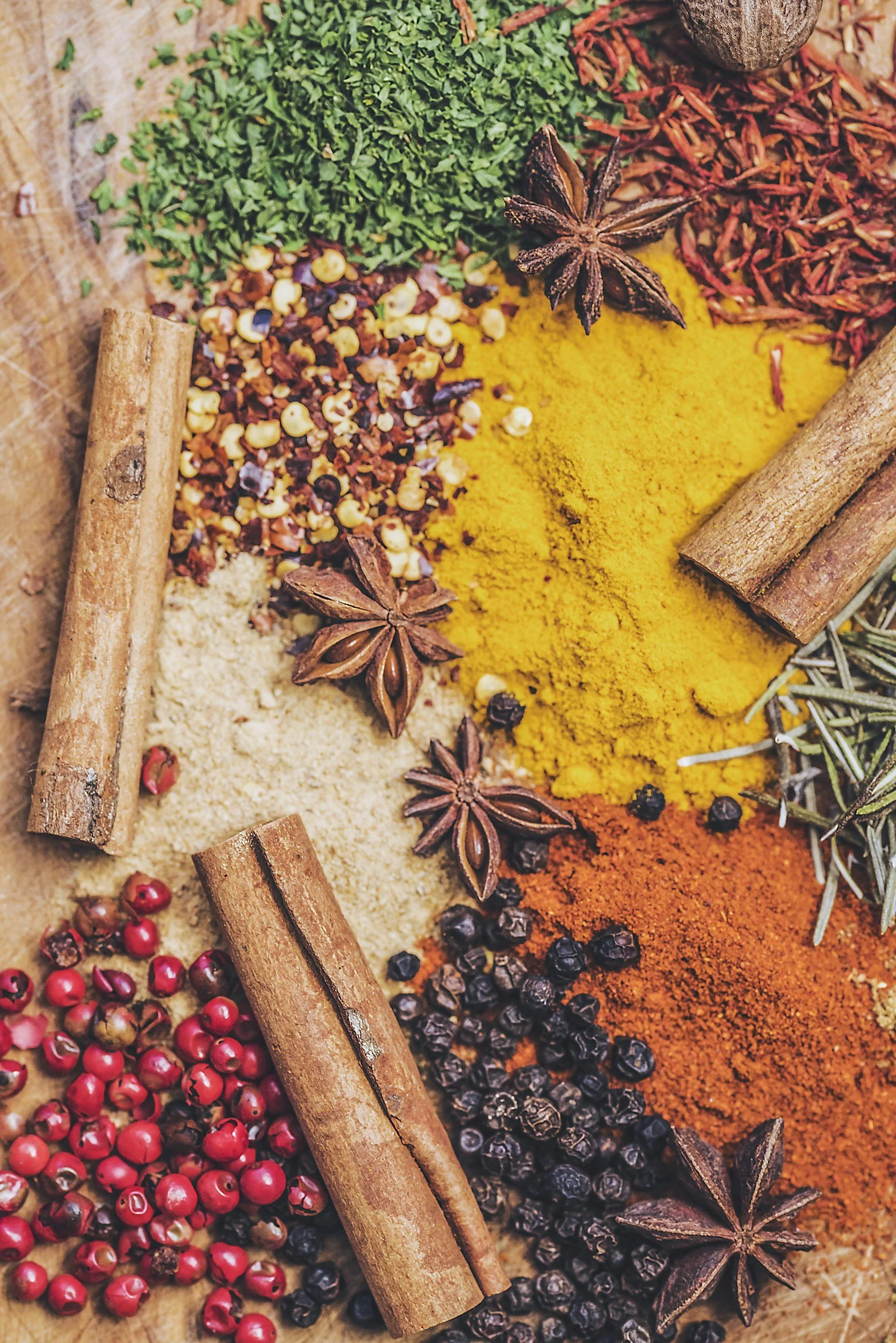
Diet Support- Avoiding dairy, refined sugar, and heavily processed foods may reduce phlegm production. Warm, spicy foods such as soups with ginger, garlic, and cayenne can help open sinuses.
Traditional Chinese Medicine Approach
In TCM, sinus congestion and headaches are often linked to imbalances in the Lung and Spleen systems, as well as the presence of Wind-Cold or Dampness. Treatment aims to restore balance, move Qi, and clear pathogens.
Acupuncture- Specific points such as LI-20 (next to the nostrils), Yintang (between the eyebrows), and LI-4 (on the hand) are commonly used to relieve sinus pressure and headaches. At home these points can be effective using acupresure.
Herbal Medicine- These are just commonly used formulas, but in Chinese Medicine each formula is individualized based on the recognition of a person’s specific pattern diagnosis. Cang Er Zi San (Xanthium Powder): A classic formula for nasal congestion and sinus pain. Yu Ping Feng San (Jade Windscreen Powder): Supports immunity and prevents recurrent sinus infections. Ban Lan Gen (Isatis root): Often used to clear heat and toxins in acute infections.
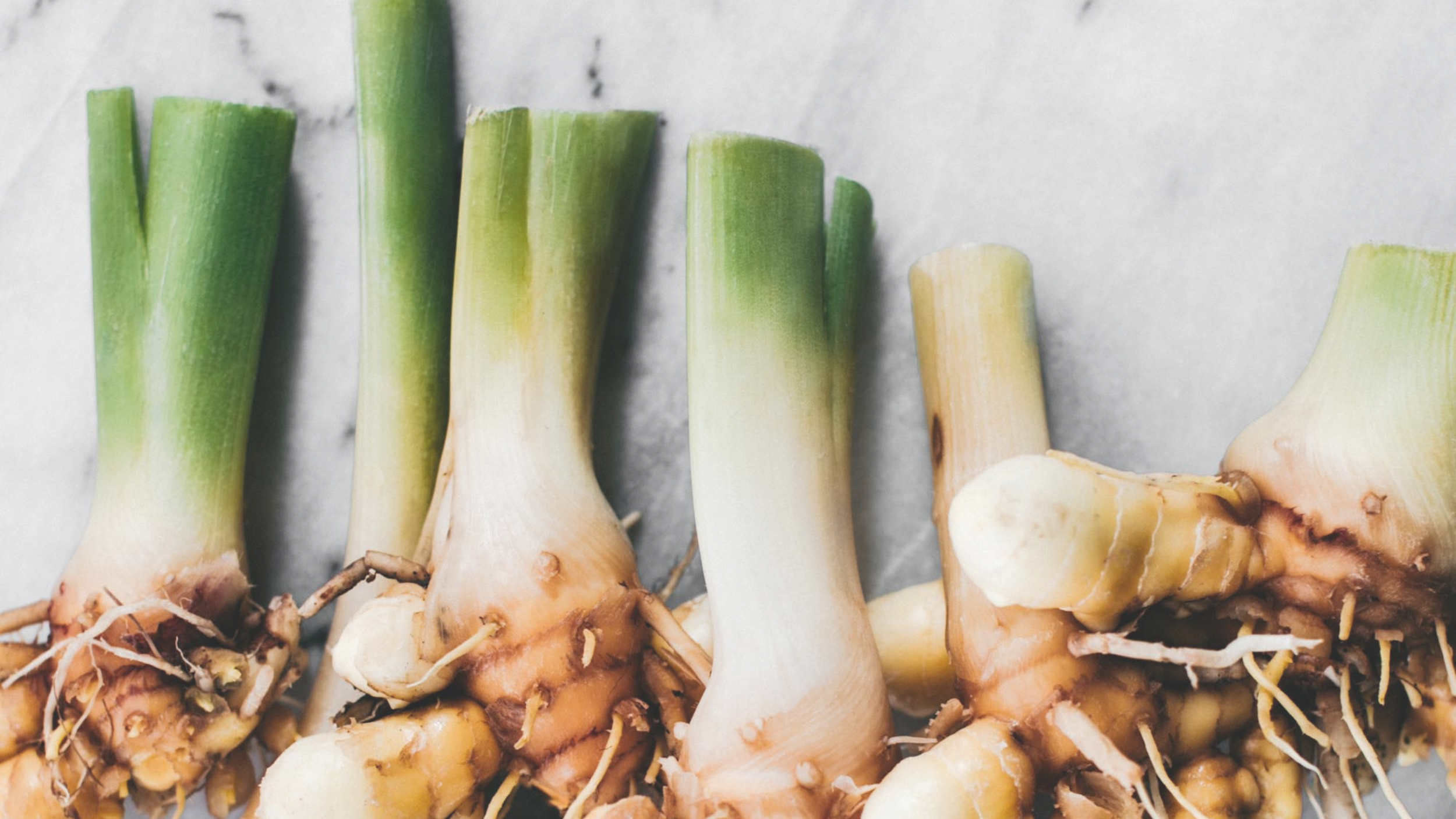
Lifestyle and Diet in TCM- Favor warm, cooked foods to support Spleen Qi. Reduce phlegm-forming foods like dairy, greasy fried foods, and excess sugar. Incorporate warming spices such as ginger, cinnamon, and scallions during the onset of colds if preventing with “cold” symptoms.
Facial Guasha- Can help relieve sinus pain by gently stimulating circulation and lymphatic drainage, reducing pressure and congestion in the face. Regular gua sha massage encourages natural drainage of sinus blockages, easing tension and promoting clearer breathing.
Integrative Tips for Relief
Combine saline rinses with acupuncture treatments for both immediate and long-term relief.
Use essential oil steam inhalation before acupuncture or massage to loosen mucus.
Drink ginger or peppermint tea daily while also following medical advice for chronic sinusitis.
When to Seek Medical Help
While many sinus issues clear on their own, you should contact a healthcare provider if you experience:
High fever
Severe or worsening headache
Vision changes
Symptoms lasting more than 10 days without improvement
Sinus infections and sinus headaches are uncomfortable, but there are many ways to support healing. By combining natural remedies, TCM practices, and conventional care when needed, you can reduce discomfort, boost your body’s defenses, and prevent recurrences.Listening to your body and seeking guidance from both licensed healthcare professionals and qualified acupuncturists or herbalists can help you create a personalized plan for long-lasting sinus health.
























This article dives into seasonal eating from a Chinese Medicine perspective to help promote a sense of balance and vitality throughout the changing seasons.