Seasonal Eating and Chinese Medicine
Eating with the Seasons
Chinese Medicine Dietary Therapy is about more than simply choosing healthy foods. It looks at how food interacts with your body, your digestion, and the season you’re living in.
In Chinese Medicine, we see ourselves as part of nature, not separate from it. Just as the plants, trees, weather, and daylight shift throughout the year, our bodies have changing needs too. Eating in alignment with those seasonal rhythms can be a simple way to support balance, digestion, energy, and overall vitality. But eating seasonally goes deeper than buying whatever happens to be growing at the farmers market.
Chinese Medicine also considers the energetic nature of food, whether a food is warming or cooling, drying or moistening, as well as its flavor and how it relates to different Organ Systems in the body. The way we prepare our food matters too. As temperatures cool, for example, we may naturally move away from cold smoothies and raw salads and toward soups, stews, roasted vegetables, porridge, and other warm, cooked foods that are generally easier on digestion.
Our goal is to begin to pay more attention, to learn to notice what your body needs, and to make small seasonal shifts that help you feel more nourished, grounded, and in sync with the world around you. Come on, let’s jump in…
The Five Seasons
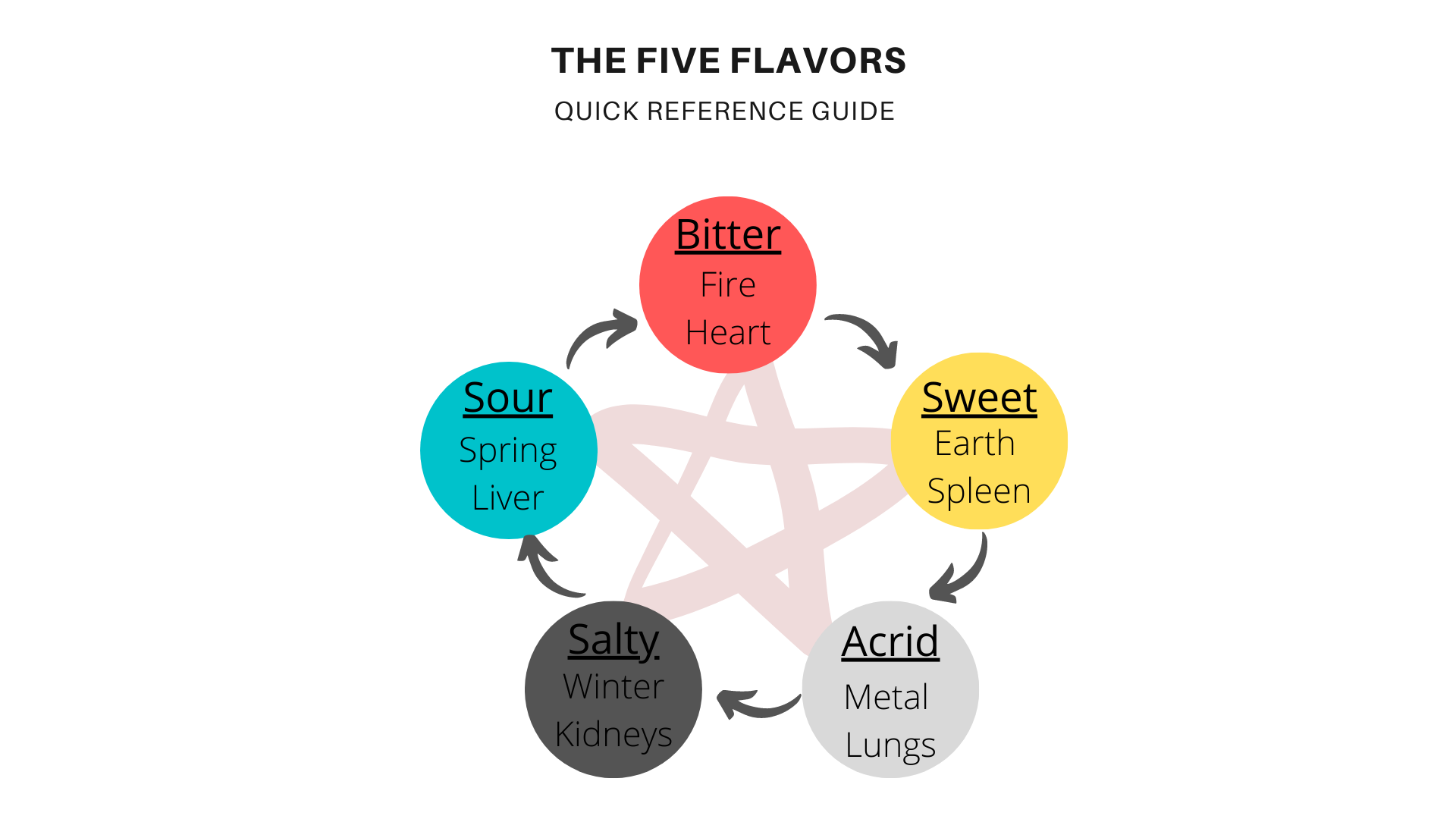
Chinese medicine theory has 5 elements and 5 seasons. The elements are not only in nature around us, but they are also echoed within us (Fire, Earth, Metal, Water, Wood), and the seasons correspond with each element ( Summer, Later Summer, Autumn, Winter, and Spring, respectively). In Chinese medicine theory, the concept of the Five Elements extends beyond its manifestation in the natural world and encompasses an intricate interplay within the human body. The five elements represent fundamental energies that shape both the external environment and internal physiological processes. This perspective acknowledges the dynamic relationship between nature and human health, emphasizing the cyclical and interconnected nature of the elements and seasons. By aligning lifestyle practices, dietary choices, and therapeutic interventions with the changing energies of the seasons, Chinese medicine seeks to promote balance within the body, fostering optimal well-being throughout the year.
Spring- The Season of Wood
As we move from Winter into Spring, our bodies begin to shift too. After the slower, more inward energy of Winter, Spring brings movement, growth, and a gradual return of Yang Qi. In Chinese Medicine, Spring is connected to the Wood element and the Liver and Gallbladder. This makes it a great time to support smooth energy, encourage movement, and lighten things up a bit after the heavier foods of Winter. The flavor associated with Wood is sour, so foods like lemon, vinegar, fermented vegetables, berries, and citrus can be lovely additions this time of year. Fresh greens, sprouts, herbs, and lightly cooked vegetables also fit naturally with the upward, expansive energy of Spring. This doesn’t mean you need to overhaul your entire diet as soon as the season changes. Think of it more as a gentle shift, bringing in fresher foods, lighter cooking methods, and flavors that help your body transition out of Winter and into the energy of Spring. Eating with the seasons is really about paying attention to what is happening around you and allowing your food choices to shift along with it.
Flavor Association- Sour
Spring Cooking- Cook for a shorter time in spring but at a high temperature. Vegetables should not be thoroughly cooked, especially the inner part. When sautéing or stir-frying, do so quickly over high heat. When cooking with water, steam lightly or simmer minimally.
Summer- The Season of Fire
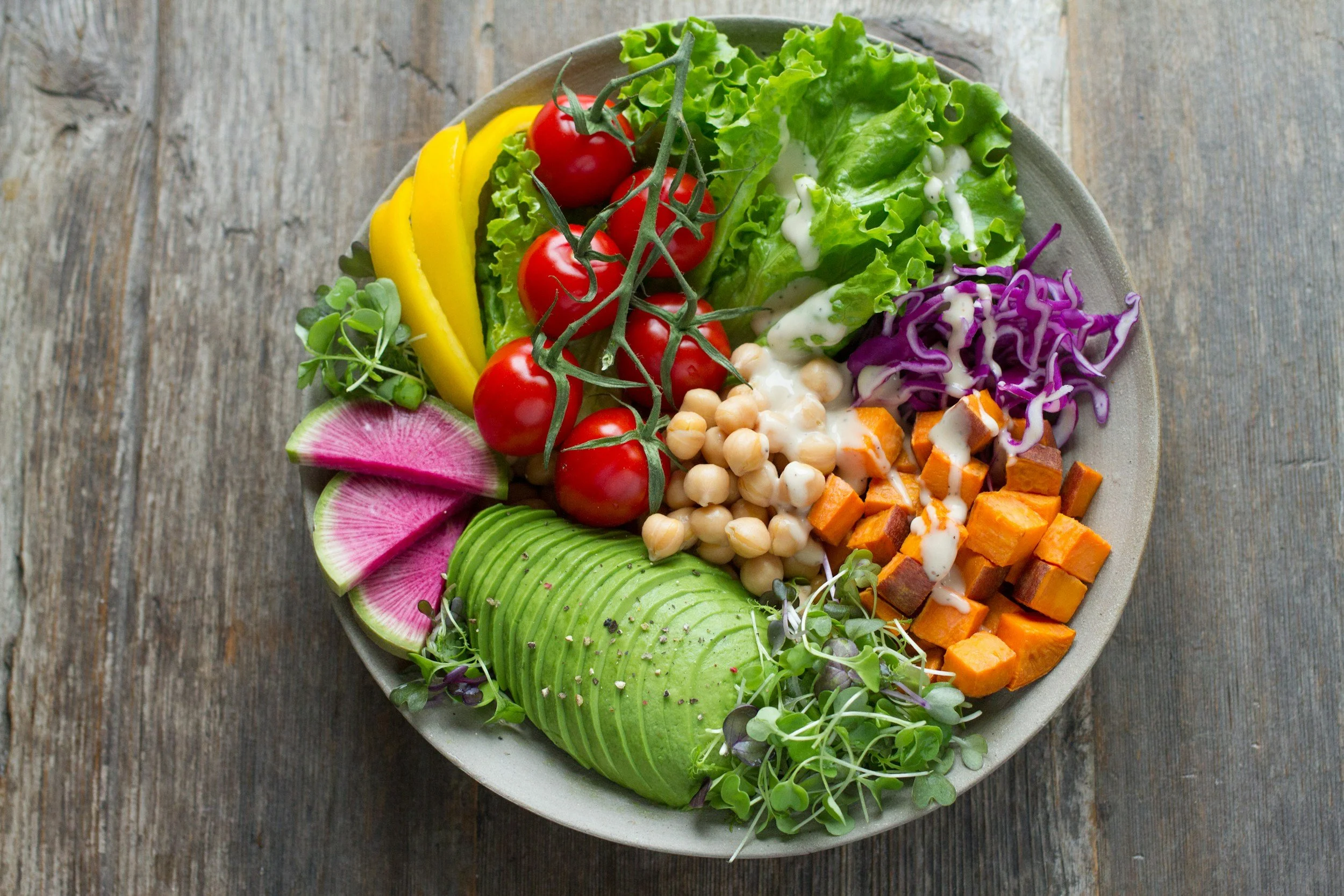
As we transition into Summer, a season characterized by warmth and increased Yang energy, our bodies and the Earth experience a vibrant surge in vitality. The Summer season corresponds with the Fire element in Chinese medicine, signifying a time of heightened activity and expansion. During this period, focus on foods that help balance the Fire element and support the Heart and Small Intestine, the Organs associated with Summer. Embracing a diet rich in bitter flavors can be particularly beneficial during this season, as bitterness is believed to cool the body and disperse excess heat. Incorporating hydrating foods such as watermelon and cucumbers can help counteract the potential for heat-related imbalances.
Flavor Association- Bitter
Summer Cooking- Make brightly colored salads and dishes with a variety of summer fruits and vegetables. Decorate with flowers and cut the vegetables into decorative shapes. Cook lightly and spice up the dishes a little with pungent or fiery flavors. Steam or simmer over high heat for a short time, or sauté or stir-fry quickly. Use a little salt, more water, and less oil in cooking. Heavy, greasy, salty food can cause sluggishness this time of year. On the hottest days, cook and eat outside or have a picnic.
Late Summer- The Earth Element
Transitioning from the warmth of Summer to the later part of the season, we enter a phase known as Late Summer in TCM. This season is associated with the Earth element, symbolizing a period of transformation and grounding energy. Late Summer is a unique bridge between the expansive nature of Summer and the contracting energy of Autumn. It is an opportune time to focus on supporting the digestive system, particularly the Spleen and Stomach, which are linked to the Earth element. Foods that are sweet and mildly dampening, such as rice, legumes, and root vegetables, are recommended during Late Summer to nourish and stabilize the Earth energy. This emphasis on Earth-related nourishment aligns with the principles of Chinese medicine and helps nourish the body as it transitions through the seasonal cycles.
Flavor Association- Sweet Foods
Late Summer Cooking- Use moderation with a mild taste as a guide to late summer cooking. Avoid making complicated dishes with unusual combinations. The dishes should be simple with little to no seasonings, allowing the natural flavors to shine through. Minimize cooking time and use a moderate amount of salt, oil, and water.
Autumn- The Season of Metal
As Autumn unfolds, signaling a shift towards cooler temperatures and a decrease in Yang energy, Traditional Chinese Medicine associates this season with the Metal element. Autumn is considered a time of refinement and letting go, and it is linked to the Lung and Large Intestine organs. Embracing foods with a pungent flavor becomes particularly relevant during this season, as pungency is believed to have a dispersing quality that can help clear and circulate the Lung Qi. Incorporating pungent foods like garlic, onions, and white foods such as pears and daikon can support the respiratory system and aid in the body's natural ability to eliminate stagnation.
Flavor Association- Pungent Foods
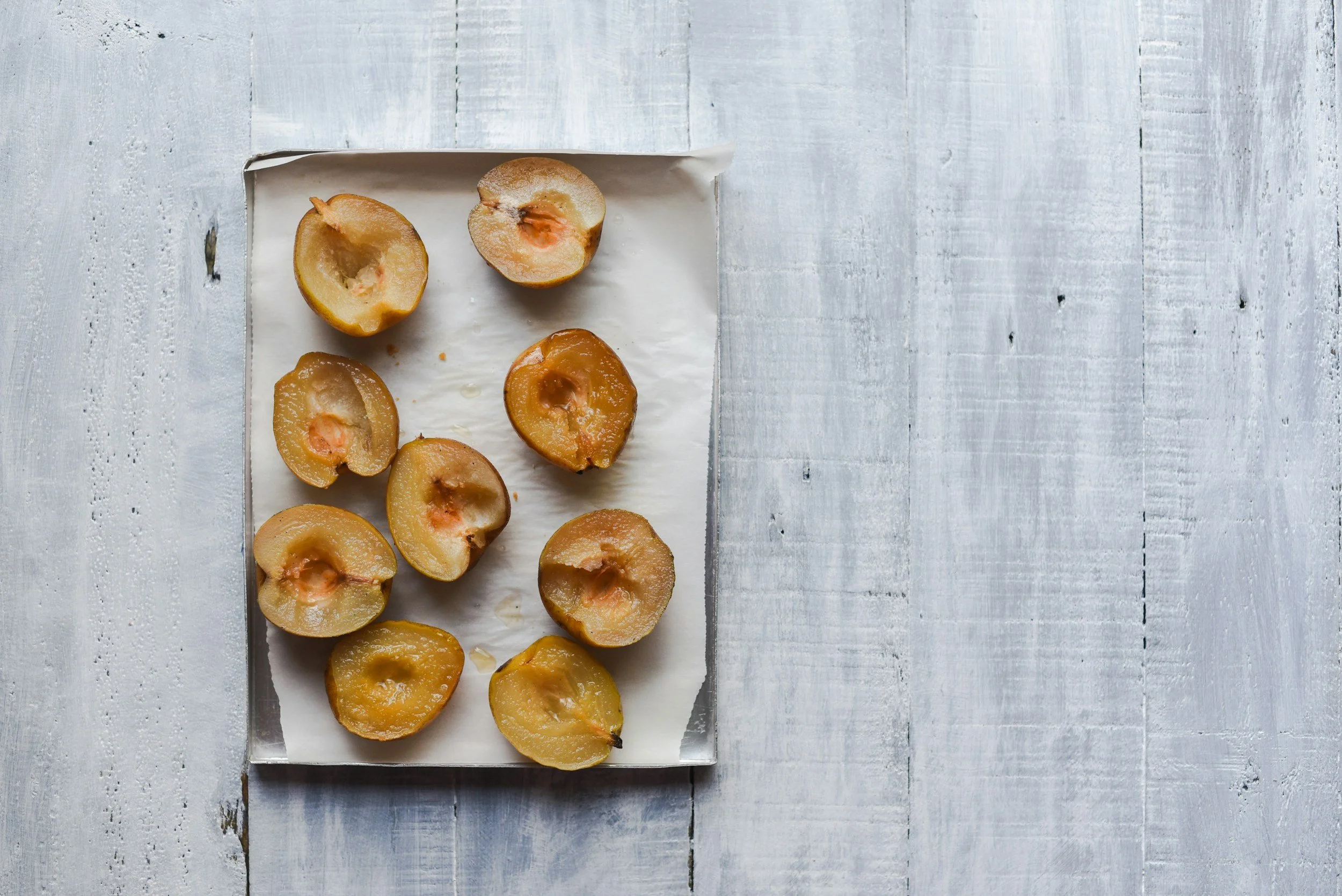
Autumn Cooking- Cook with less water, at a lower heat, and for a longer time. Use a little salt in cooking to moisten dryness. Heighten the diet with pungent flavors and hearty foods that are sautéed, stir-fried, or baked. Foods like winter squash and root vegetables thicken the blood for cool weather. Eat fewer cold foods such as salads and fruits during the fall. Stew or bake apples and pears. Make cold-pressed salads by blanching greens and pressing out the water.
Winter- The Season of Water
Entering Winter, a season characterized by coldness and a deepening of Yin energy, TCM associates this period with the Water element. Winter is aligned with the Kidney and Bladder organs, which are essential for storing and balancing the body's vital energy. Incorporating foods with a salty flavor becomes particularly relevant during Winter, as saltiness is believed to have a softening and moistening effect, supporting the Water element. Salty foods like seaweed and fish are recommended to nourish the Kidney and Bladder meridians, promoting fluid balance and the retention of essential energy. By embracing the principles of Winter nourishment, you can support the health of the Kidney and Bladder organs and cultivate resilience during the colder months.
Flavor Association- Salty Foods
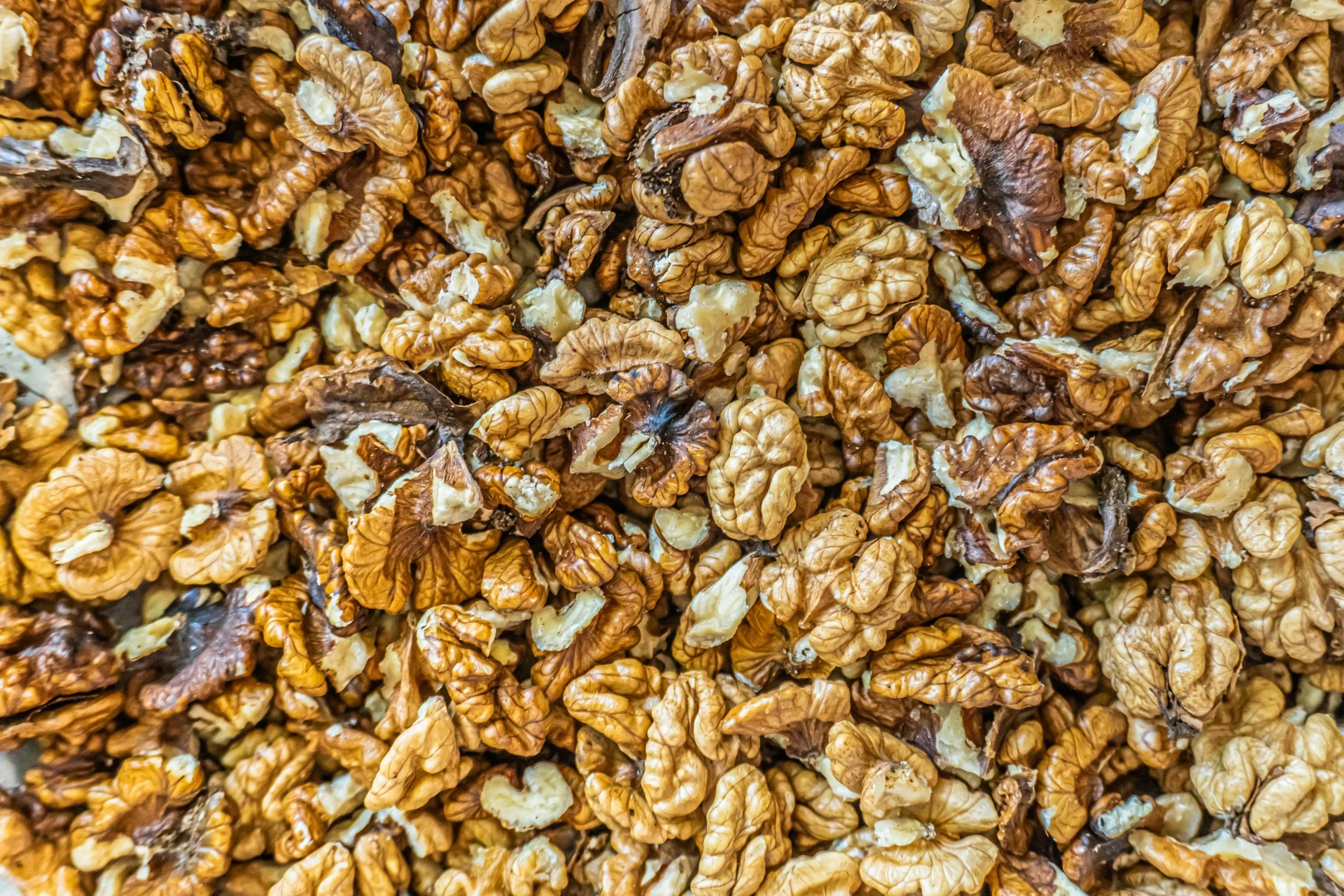
Winter Cooking- Cook foods longer, at lower temperatures, and with less water. Make warm, hearty soups and steam winter greens to fortify the Kidneys. Roasted nuts and baked apples are a great snack on cold days. Ginger is an amazing addition to meals this time of year. Ginger contains a pungent flavor; stimulates blood circulation; warms and relaxes the Kidneys in cold weather and clears the Lungs in the fall.
Eating with the Seasons: The Taste Component
In TCM, eating with the seasons goes beyond simply choosing foods that are locally available or in season. It also considers the energetic qualities and flavors of foods, with each of the Five Flavors corresponding to a season and organ system. Incorporating a balance of these flavors is traditionally thought to help support harmony within the body.
Spring is associated with the Wood element and the sour flavor, which has an astringent and contracting quality and is connected with the Liver and Gallbladder. Summer corresponds with the Fire element and bitter foods, which are traditionally used to clear Heat and support the Heart and Small Intestine. Late Summer is associated with the Earth element and naturally sweet foods, which are considered nourishing and supportive of the Spleen and Stomach. Autumn corresponds with the Metal element and pungent flavors, which are thought to encourage the movement of Qi and support the Lungs and Large Intestine. Winter is associated with the Water element and salty flavors, which are traditionally considered softening and moistening and are connected with the Kidneys and Bladder.
Rather than focusing heavily on one taste, TCM dietary therapy emphasizes balance, moderation, and adapting food choices to the season, constitution, and individual needs.
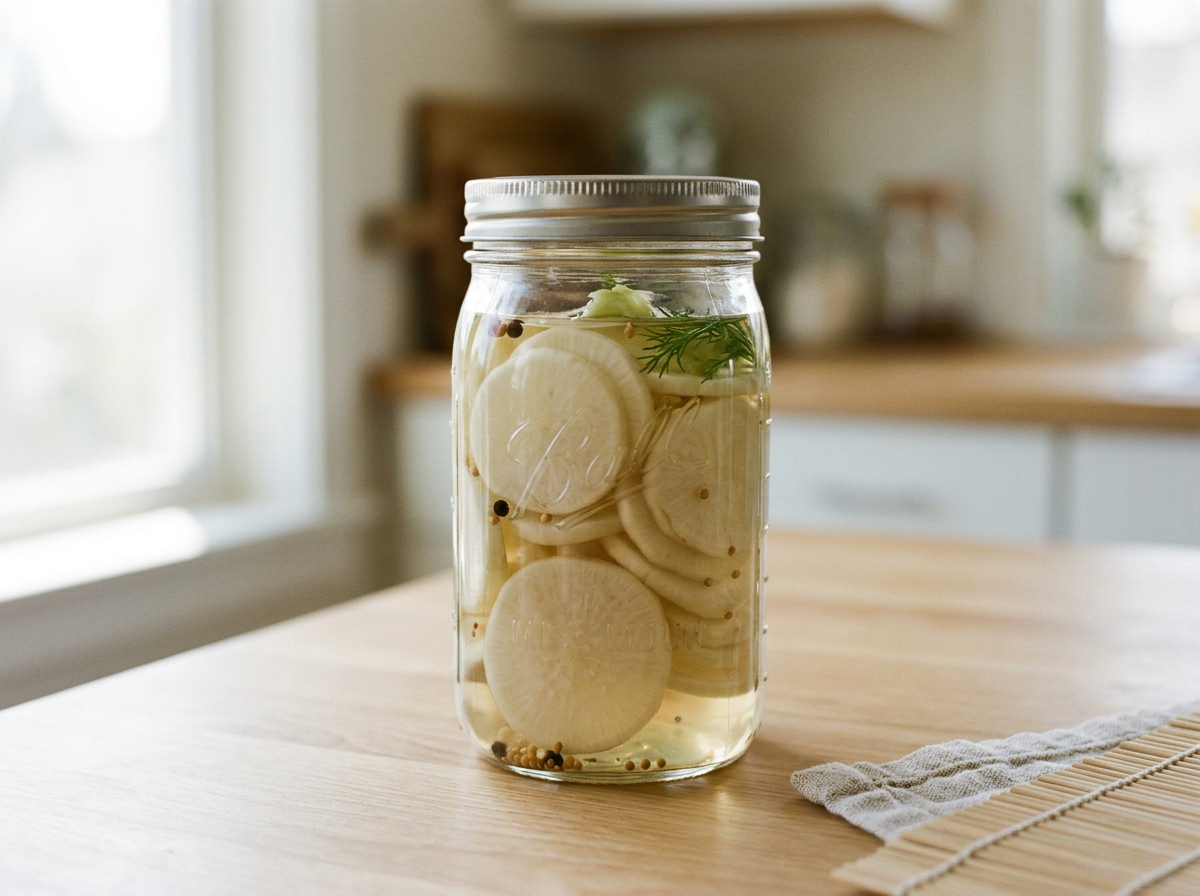
Sour Foods-Sour foods, such as lemons, vinegar, and certain fruits, are associated with the Wood element in Chinese medicine and are closely connected with the Liver and Gallbladder. The sour flavor is traditionally considered astringent and contracting, helping to consolidate Qi, preserve fluids, and restrain excessive loss from the body. Sour foods may be used to support patterns involving unwanted leakage or depletion while also helping to gently gather and contain the body’s energy. Because the Liver is associated with Spring and the Wood element, sour flavors are often discussed in seasonal nutrition, though they are best used in moderation, as too much sour can become overly constricting.
Resonates with Wood Element
Liver and Gallbladder Meridians
Associated with Springtime
Bitter Foods- Bitter foods, such as dandelion greens, bitter melon, and other dark leafy greens, are associated with the Fire element in Chinese medicine. The bitter flavor is traditionally understood to clear Heat, dry Dampness, and encourage Qi to move downward, which can be helpful when there is a sense of excess, heaviness, or stagnation in the body. In TCM, bitter flavors are closely connected with the Heart and Small Intestine, the primary organs of the Fire element. In appropriate amounts, bitter foods may help support digestion, stimulate the appetite, and promote the body's natural processes of clearing and elimination. Because bitter foods can also be drying, they are generally used in moderation, particularly in people who already show signs of dryness or deficiency.
Resonates with Fire Element
Heart and Small Intestine Meridians
Associated with Summer
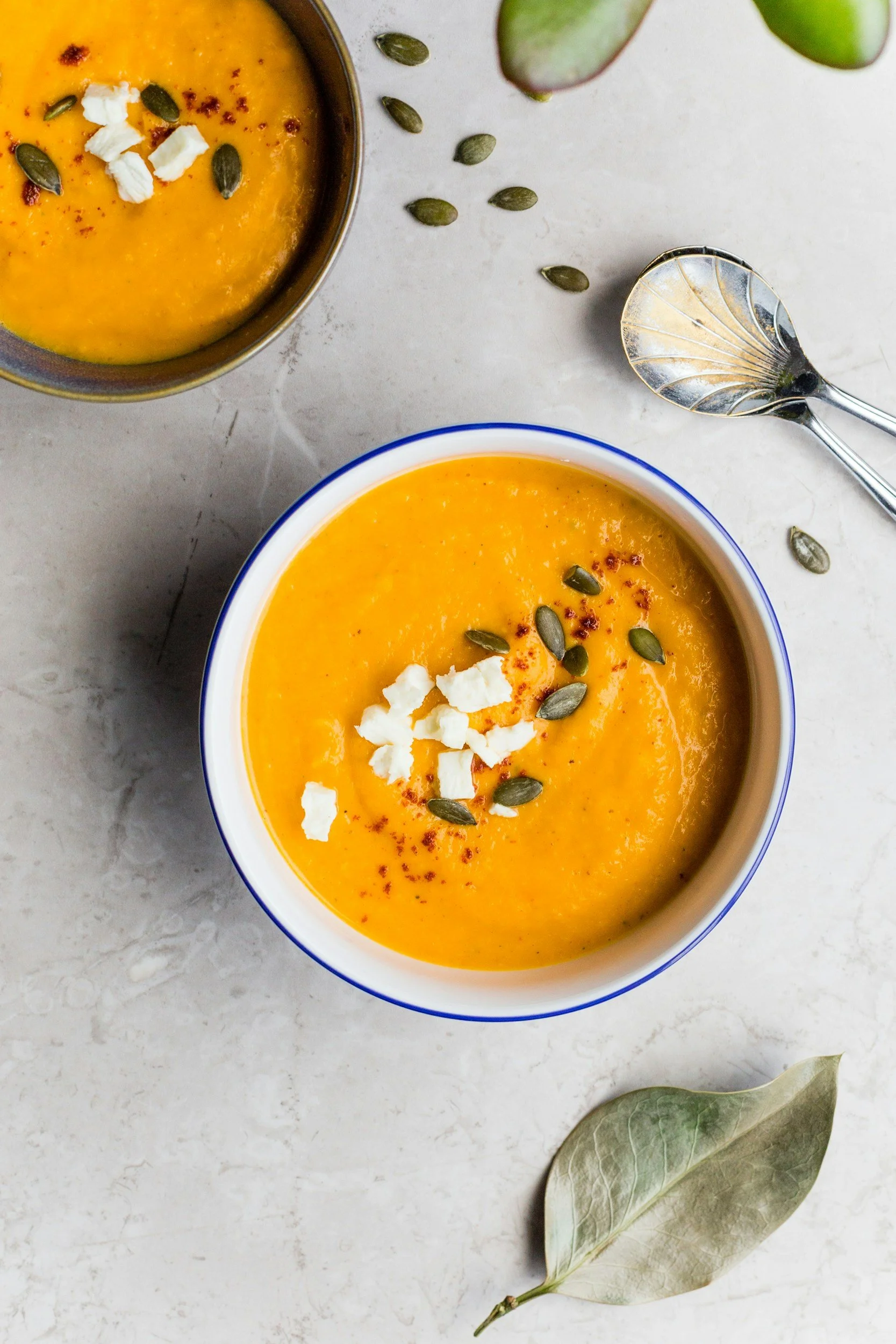
Sweet Foods- Sweet foods, such as rice, green beans, and watermelon, are associated with the Earth element in Chinese medicine. The sweet flavor is thought to have a harmonizing and nourishing effect on the body, helping to support digestion, replenish fluids, and nourish the tissues. In TCM, sweetness is especially connected to the Spleen and Stomach, the primary organs of the Earth element and central players in digestion and the transformation of food into Qi. Including moderate amounts of naturally sweet foods can help support these digestive functions, promote stability, and nourish the body without overwhelming the system.
Resonates with Earth Element
Spleen and Stomach Meridians
Associated with Late summer
Spicy and Pungent Foods- Spicy and pungent foods, including ginger, garlic, and wine, are known in Traditional Chinese Medicine for their ability to move and circulate Qi and blood within the body. The pungent taste is associated with the Metal element and is believed to have a dispersing quality, promoting the flow of vital energy. Consuming these foods is thought to invigorate the circulatory system, aiding in improved blood circulation and Qi movement. Additionally, the warming nature of spicy and pungent flavors is considered beneficial for individuals seeking to dispel cold and dampness from the body
.Resonates with Metal Element
Lung and Large Intestine Meridians
Associated with Autumn
Salty Foods- Salty foods, such as seaweed, miso, and clams, are associated with the Water element in Chinese medicine. The salty flavor is traditionally thought to have a softening, moistening, and downward-moving effect on the body, helping to support the movement of fluids and soften areas of stagnation or accumulation. In TCM, this flavor is closely connected to the Kidneys and Bladder, the primary organs of the Water element and important regulators of fluid metabolism. Traditionally, salty foods have also been used in dietary therapy when there are patterns of hardness or accumulation in the body. Including moderate amounts of naturally salty foods can help nourish the Water element, support healthy fluid balance, and add variety to a well-rounded diet.
Resonates with Water Element
Kidney and Bladder Meridians
Associated with Winter
Bland-Tasting Foods - A sixth yet important category- Bland-tasting foods, such as lettuce, mushroom, and barley, play a role in TCM in regulating fluids within the body. The bland taste is believed to harmonize bodily fluids and doesn’t have a specific element association. These foods are considered neutral in flavor and can contribute to balancing the body's fluid levels without exerting strong influences on other organ systems. In TCM, incorporating bland-tasting foods is often recommended for individuals seeking to maintain hydration and promote equilibrium within the digestive system. Including a variety of these neutral flavors in one's diet may contribute to overall fluid balance and support optimal well-being.

Seasonal Eating Tips.
By integrating these tips into your approach to seasonal eating, you can enhance your overall nutrition, support your body's natural rhythms, and promote a sense of balance and vitality throughout the changing seasons.
Embrace a Rainbow of Colors:
Incorporate a variety of colorful fruits and vegetables into your diet, as different colors often signify diverse nutrient profiles. This can provide a broad spectrum of vitamins, minerals, and antioxidants, contributing to overall health and well-being.
Mindful Cooking Methods:
Adjust your cooking methods based on the season. Opt for lighter, cooling cooking techniques like steaming and sautéing during warmer months and explore heartier, warming methods like roasting and stewing in colder seasons. This aligns with your body's natural needs throughout the year.
Hydration with Seasonal Beverages:
Stay hydrated with beverages that complement the season. In summer, opt for refreshing herbal teas and infused water, while in winter, consider warming herbal teas and broths to provide comfort and support immunity.
Local and Sustainable Choices:
Choose locally sourced and sustainable foods whenever possible. This not only supports local farmers but also ensures that you are consuming foods that are more attuned to the specific environmental conditions of your region.
Listen to Your Body:
Pay attention to your body's signals and cravings. Seasonal eating is not one-size-fits-all, and individual needs may vary. Tune in to what your body is asking for, and make adjustments accordingly to maintain a harmonious balance.
Seasonal Superfoods:
Explore superfoods that are in season. These nutrient-dense foods, aligned with the current season, can provide a concentrated source of essential nutrients, offering a natural boost to your overall health.
Incorporate Traditional Wisdom:
Draw upon the wisdom of traditional cuisines and practices. Many cultures have time-tested approaches to seasonal eating, incorporating local ingredients and traditional flavors that are well-suited to specific times of the year.














🌿 Love What You See? Want It All? This bundle was made for you! 🌿
Get the ultimate herbal wellness collection in one beautifully curated package. This bundle includes:
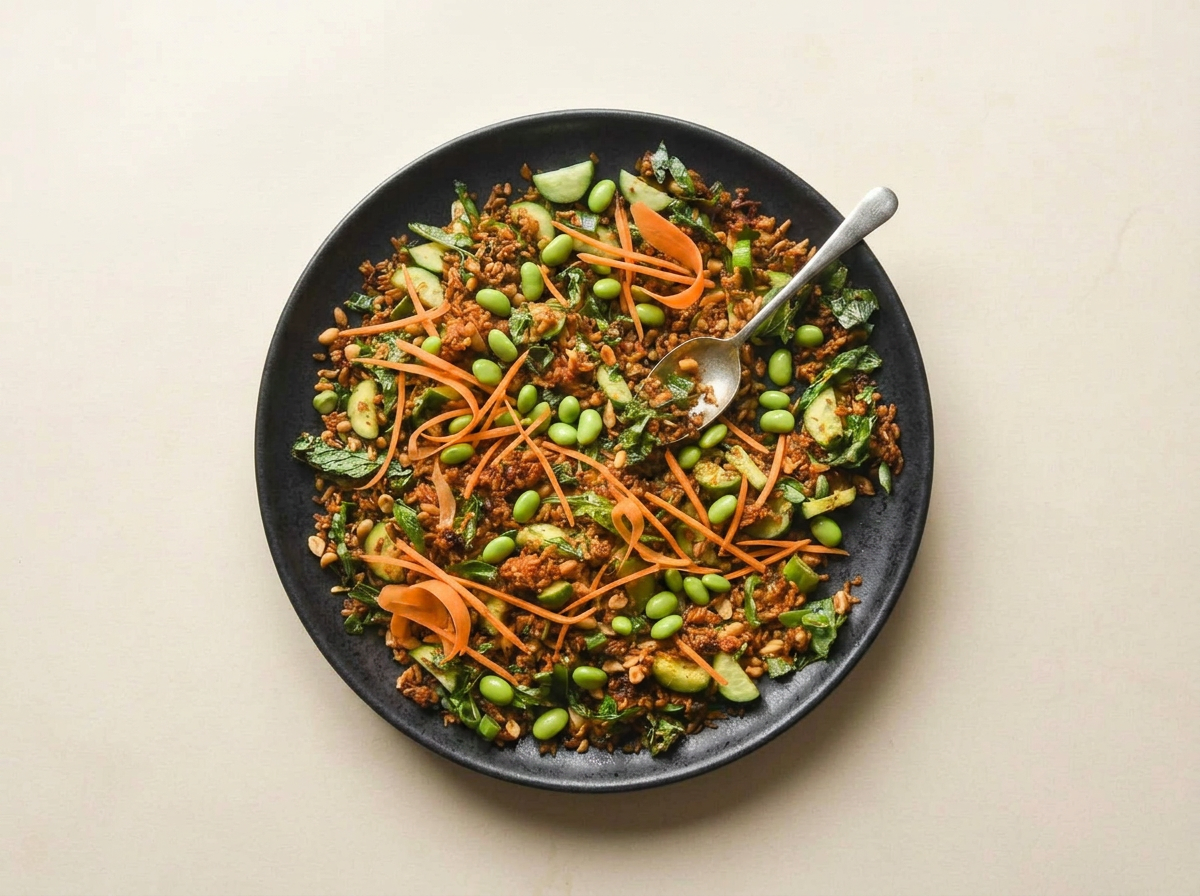
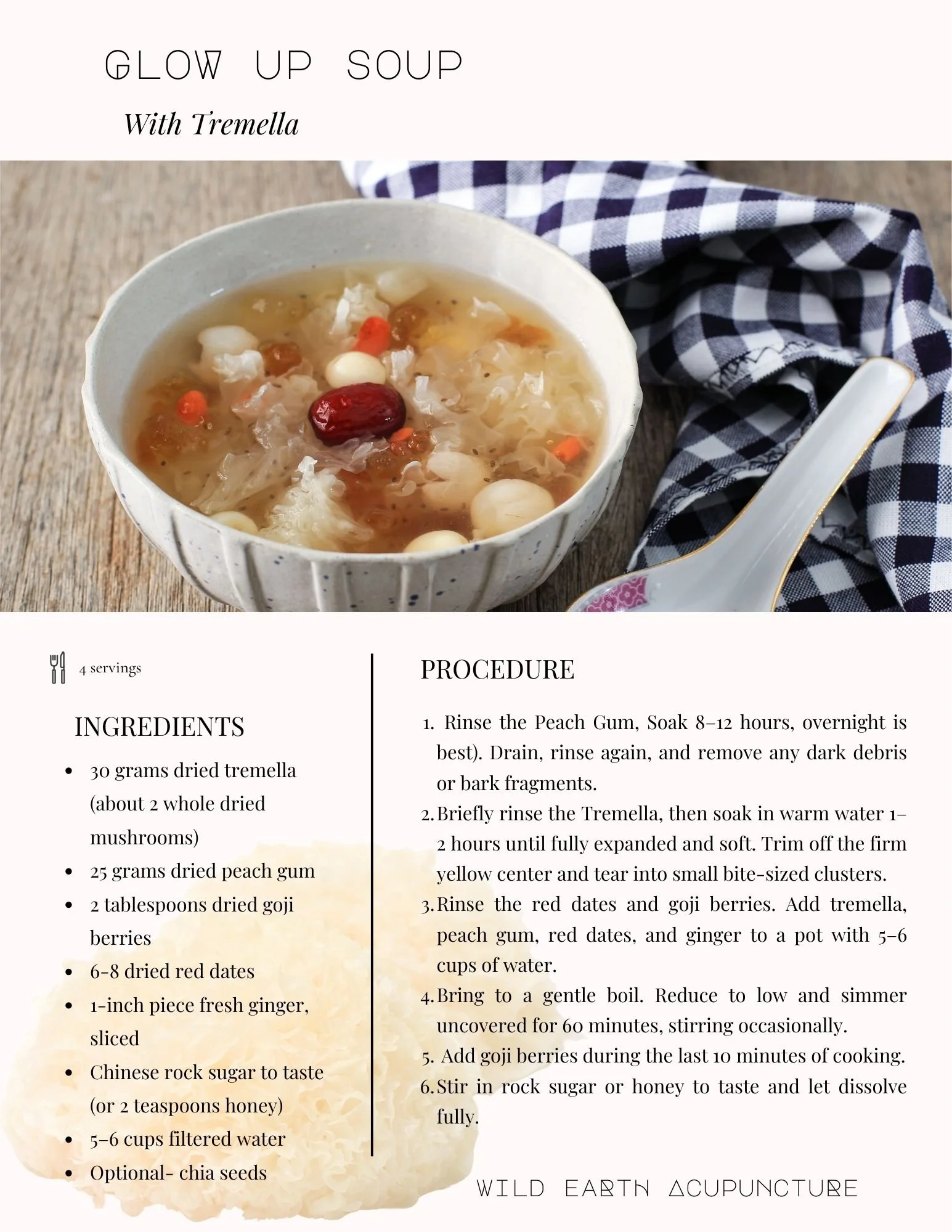
✨ Essential Tastes Cookbook – Explore the Five Flavors of TCM through immune-boosting, nourishing recipes.
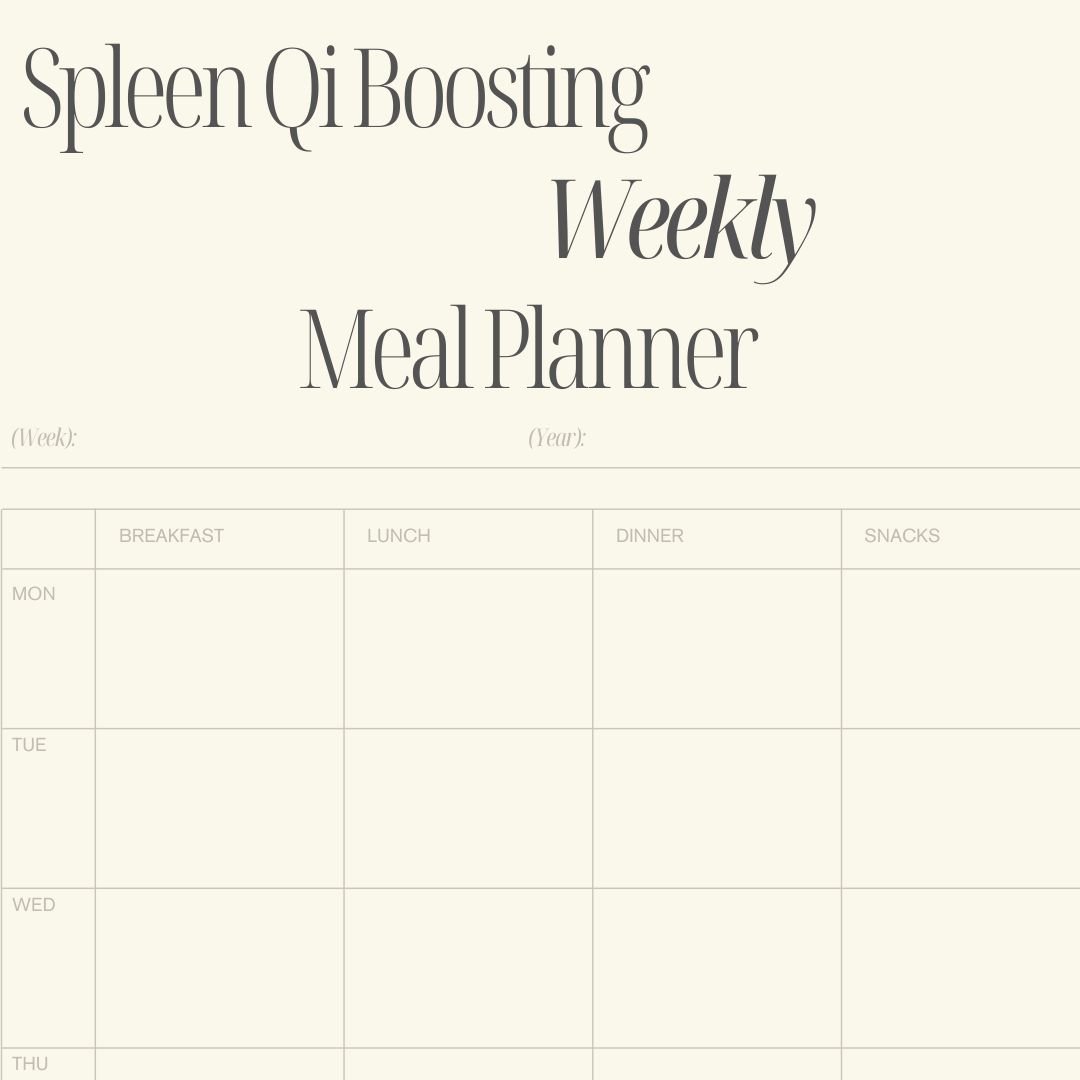
🥗 Spleen Qi Meal Planners – Two full weeks of meal plans (vegetarian and non-vegetarian) to support digestion and energy.
🫙 Herbal Pantry for Everyday Wellness – Learn the top 10 must-have herbs and exactly how to use them at home.
Whether you’re just starting your herbal journey or deepening your practice, this bundle gives you the tools to nourish your body, mind, and spirit—season by season, meal by meal.
✨ Save big and empower your kitchen with centuries of wisdom—naturally. ✨
$70 value for only $45!