9 Chinese Medicine Tips for Better Digestion and Energy
“Everything is energy and that's all there is to it,”
- Albert Einstein
How to Strengthen Spleen Qi Naturally
If you've been struggling with fatigue, bloating, brain fog, loose stools, or constant sugar cravings, your body may be trying to tell you something. According to Chinese Medicine these symptoms often point toward a pattern known as Spleen Qi deficiency, one of the most common imbalances that impact digestive function and energy levels.
While modern nutrition often focuses on calories, vitamins, and macronutrients, Chinese medicine asks a different question:
How well is your body transforming food into energy?
That transformation is the responsibility of the Spleen. In this article, you'll learn what Spleen Qi is, common signs of deficiency, why it becomes depleted, and nine practical ways to strengthen it naturally.
What Is Spleen Qi?
The Spleen in Traditional Chinese Medicine is very different from the physical spleen described in Western medicine. Rather than acting primarily as an immune organ, the TCM Spleen is considered the body's digestive powerhouse, and the center of our Earth Element. Early medical texts like the Huáng Dì Nèi Jīngestablished the Spleen's pivotal role in transformation and transportation of food into Qi. Qi is a foundational, yet complex underlying philosophy in TCM, that is the form and function of the body and often considered our “vital energy”.
Its primary functions include:
Transforming food into Qi (energy)
Producing Blood
Transporting nutrients throughout the body
Supporting healthy muscles
Governing concentration and mental clarity
Regulating fluid metabolism
Keeping organs properly lifted and supported
Because of these broad responsibilities, weak Spleen Qi can affect nearly every aspect of health.
Signs of Spleen Qi Deficiency
Common symptoms include:
Chronic fatigue
Bloating after eating
Loose stools
Poor appetite
Sugar cravings
Brain fog
Difficulty concentrating
Feeling physically heavy
Easy bruising
Low motivation
Overthinking or excessive worry
Not everyone experiences every symptom, but clusters of these signs often indicate that digestion is not functioning at its full potential.
What Weakens Spleen Qi?
Several modern habits gradually deplete digestive energy:
Skipping meals
Eating while working
Excess raw foods and cold drinks
Highly processed foods
Chronic stress
Excessive mental work
Poor sleep
Overexercising
Constant worrying
The encouraging news is that many of these habits are also opportunities for healing.

9 Ways to Strengthen Spleen Qi Naturally
1. Eat Warm, Cooked Foods
One of the foundational principles of Traditional Chinese Medicine is that the Spleen thrives on warmth. Because the Spleen is responsible for transforming food into Qi, warm, cooked foods require less digestive effort than cold or raw foods, allowing the body to more efficiently extract nourishment. Soups, stews, roasted vegetables, cooked whole grains, and porridges are all excellent choices for gently supporting digestion.
Modern research also supports this ancient wisdom. Studies have found that warming foods and beverages can promote gastric motility, increase digestive enzyme activity, and improve blood flow to the digestive tract, all of which contribute to more efficient digestion and nutrient absorption. In contrast, diets high in ultra-processed foods and low in whole, fiber-rich foods have been associated with gut inflammation and disruptions to the gut microbiome, factors that can impair digestive health, and eventually mental-emotional well being, as about 90% of our serotonin is produced in the GI tract.
While an occasional salad or smoothie is unlikely to weaken a healthy digestive system, those experiencing fatigue, bloating, loose stools, or poor appetite often notice significant improvements when they shift toward warm, nourishing meals. Think of your digestion like a slow-simmering pot on the stove: it works best when there's a steady, gentle flame beneath it.
2. Build Meals Around Whole Foods
Traditional Chinese Medicine has long emphasized eating foods that are close to their natural state, believing that whole, minimally processed foods provide the body with the nourishment it needs to build Qi and Blood. Root vegetables, winter squash, oats, millet, rice, beans, lentils, carrots, sweet potatoes, and other naturally sweet, earthy foods are considered especially supportive of the Spleen because they are both nourishing and easy to digest. One of my favorite resources for more information and amazing healthy recipes is Healing with Whole Foods by Paul Pitchford.
Modern nutrition research echoes this ancient perspective. Diets rich in whole plant foods provide dietary fiber, complex carbohydrates, vitamins, minerals, and phytonutrients that nourish the gut microbiome, the diverse community of microorganisms that plays a vital role in digestion, immune function, and metabolic health. A healthy, fiber-rich diet has also been associated with improved microbial diversity, reduced inflammation, better blood sugar regulation, and sustained energy levels. In contrast, diets high in ultra-processed foods have been linked to poorer gut health and an increased risk of chronic disease. Chinese medicine nutrition doesn’t focus on restrictive eating, but it encourages abundance, adding more nourishing foods that support your body's natural ability to produce energy, and paying attention to foods that make you feel good. Think of each meal as an opportunity to replenish your Qi, choosing simple, wholesome ingredients that leave you feeling satisfied, energized, and grounded long after you've finished eating.
3. Limit Cold Foods
In TCM, digestion is often compared to a warm cooking pot. The Spleen relies on what is known as digestive fire to efficiently transform food into Qi and Blood. Frequently consuming iced beverages, frozen smoothies, and large amounts of raw foods can dampen this digestive warmth, making it more difficult for the body to break down food and absorb nutrients, particularly for those already experiencing symptoms of Spleen Qi deficiency such as bloating, fatigue, loose stools, or poor appetite.
While western scientific research doesn't describe digestion in terms of Qi, studies have shown that cold foods and beverages can temporarily slow gastric emptying and alter stomach motility in some individuals, especially those with functional digestive disorders. Conversely, warm meals are often perceived as more comforting and easier to digest, and they may promote relaxation of the digestive tract and improve meal tolerance.
This doesn't mean you need to eliminate salads or smoothies entirely. Chinese medicine is all about balance and individual constitution. During the warmer months or for people with robust digestion, raw foods can certainly have a place. However, if you're experiencing digestive discomfort, try swapping your morning smoothie for a bowl of oatmeal or your lunchtime salad for a hearty vegetable soup a few times each week. I also love the easy and imoactful hack of starting off meals with a hot cup of bone broth. Small changes like these can gently rekindle your digestive "fire," helping your body transform nourishment into steady, lasting energy.
4. Eat Without Distractions
Mindful eating supports healthy digestion by activating the parasympathetic nervous system, often referred to as the "rest and digest" state. When we eat while distracted by screens, work, or stress, the body remains in a more sympathetic, or "fight-or-flight," mode, reducing digestive secretions, slowing gastric motility, and impairing nutrient absorption. By slowing down, chewing thoroughly, and bringing awareness to each meal, we signal the body that it is safe to digest, allowing digestive enzymes and stomach acid to function more efficiently.
Emerging research suggests that mindful eating not only improves digestive comfort but may also reduce overeating, enhance satiety, and support healthier eating behaviors. From a Traditional Chinese Medicine perspective, eating with presence strengthens Spleen Qi, the energetic system responsible for transforming food into Qi and Blood. When meals are rushed or consumed while multitasking, this transformative process may become less efficient, contributing to symptoms such as bloating, fatigue, and poor digestion. Cultivating a calm, attentive eating practice is a simple yet powerful way to nourish both the digestive system and overall vitality.
5. Reduce Refined Sugar
Excessive consumption of refined sugar has been linked to chronic inflammation, blood sugar fluctuations, and changes in the gut microbiome, all of which can negatively impact digestion and overall energy levels. Frequent spikes in blood glucose followed by rapid crashes may contribute to fatigue, increased cravings, and difficulty maintaining stable energy throughout the day. Research also suggests that diets high in added sugars can alter the composition of beneficial gut bacteria, potentially compromising digestive health and immune function.
From a TCM perspective, excessive sweet foods are thought to contribute to the accumulation of Dampness, a pattern that may manifest as bloating, brain fog, sluggishness, loose stools, and a feeling of heaviness in the body. While naturally sweet whole foods such as winter squash, sweet potatoes, and cooked fruits gently nourish the Spleen, highly processed sugars are believed to overwhelm its transformative function. Reducing refined sugar while emphasizing whole, nutrient-dense foods helps support balanced digestion, stable energy, and the healthy production of Qi.
6. Establish Consistent Mealtimes
Eating meals at regular times each day helps synchronize the body's digestive rhythms, supporting the timely release of digestive enzymes, stomach acid, and hormones involved in appetite and metabolism. Research suggests that consistent meal timing may improve blood sugar regulation, promote metabolic health, and support sustained energy throughout the day. In contrast, irregular eating patterns and skipping meals can disrupt these natural rhythms, contributing to energy fluctuations, increased hunger, and digestive discomfort.
From a Traditional Chinese Medicine perspective, the Earth element, and the Spleen/Stomach systems it governs, thrives on consistency, nourishment, and balance. Regular mealtimes strengthen Spleen Qi by creating a predictable rhythm that supports the transformation of food into Qi and Blood. Eating at erratic times, grazing continuously, or skipping meals may weaken this digestive function over time, potentially leading to fatigue, bloating, and difficulty extracting nourishment from food. Establishing a steady eating routine is a simple yet powerful way to cultivate the grounded, stable qualities of the Earth element while supporting healthy digestion and lasting vitality.
7. Move After Meals
Taking a gentle 10–20 minute walk after eating can support healthy digestion by stimulating gastrointestinal motility, promoting blood sugar regulation, and encouraging circulation throughout the body. Research has shown that even light physical activity after meals can improve post-meal glucose metabolism, reduce blood sugar spikes, and help food move more efficiently through the digestive tract. Unlike vigorous exercise, which diverts blood flow away from digestion, a leisurely walk provides just enough movement to enhance digestive function without placing additional stress on the body.
TCM suggests gentle movement helps promote the smooth circulation of Qi, preventing stagnation that may contribute to bloating, fullness, or discomfort after eating. Walking after a meal also supports the Spleen and Stomach by encouraging their natural function of transforming food into Qi and Blood. A short stroll, light stretching, or slow mindful movement can become a simple daily ritual that improves digestion, stabilizes energy, and enhances overall well-being.
8. Support Emotional Digestion
Support Emotional Digestion
In Traditional Chinese Medicine, digestion extends beyond the food we eat, it also includes the thoughts, emotions, and experiences we take in each day. The Spleen is closely associated with the emotion of worry and the mental faculty known as Yi, our capacity for reflection, concentration, and thoughtful consideration. When Yi is balanced, it allows us to process life's experiences with clarity and discernment. But when worry becomes excessive or repetitive, it can deplete Spleen Qi, leading to rumination, mental fatigue, and digestive discomfort.
This medicine teaches us that harmony arises from living in rhythm with nature and cultivating inner stillness. Practices such as mindfulness, meditation, journaling, prayer, acupuncture, and time in nature create space for emotions to move rather than become stuck. As meditation teacher Jack Kornfield writes, “With mindfulness, we are learning to observe in a new way, with balance and a powerful disidentification.” This perspective beautifully echoes the wisdom of Chinese medicine: healing begins not by resisting our thoughts, but by observing them with compassion rather than becoming consumed by them.
Just as the body transforms food into nourishment, the mind must also transform experience into wisdom. By tending to emotional digestion with presence and self-compassion, we strengthen Spleen Qi and cultivate greater resilience, groundedness, and inner peace.
9. Work with Chinese Herbs and Acupuncture
Every person's constitution is unique, which is why TCM emphasizes individualized care rather than a one-size-fits-all approach. Rather than treating symptoms in isolation, a licensed acupuncturist evaluates patterns of imbalance, such as Spleen Qi deficiency, Dampness, or Liver Qi stagnation, to determine the underlying factors contributing to fatigue, bloating, poor digestion, and other health concerns. Based on this assessment, treatment may include acupuncture, customized herbal formulas, dietary recommendations, and lifestyle guidance designed to restore balance and support the body's natural healing processes.
A growing body of research supports the use of acupuncture and Chinese herbal medicine for digestive health. Studies suggest that acupuncture may help regulate the gut-brain axis, improve gastrointestinal motility, reduce inflammation, and relieve symptoms such as bloating, abdominal discomfort, and functional digestive disorders. Herbal medicine, when prescribed by a qualified practitioner, can further support digestive function by addressing each individual's unique pattern of imbalance. Together, acupuncture and herbal medicine offer a personalized, holistic approach that not only relieves symptoms but also strengthens the body's capacity for long-term health and resilience. Sourcing high quality herbs is important- Mountain Rose Herbs is a great place to start!
Foods That Support Spleen Qi
Some of the most nourishing foods include foods that are warming, grounding, and naturally easy to digest. (Check out the hyperlinks below for yummy recipes!)
Sweet potatoes
Winter squash
Pumpkin
Oats
Rice
Millet
Chickpeas
Carrots
Parsnips
Ginger
Dates
Lifestyle Habits That Matter
Chinese medicine reminds us that digestion isn't only about what we eat, It's also about how we live. The way we live each day can either strengthen or gradually deplete our Spleen Qi. It emphasizes that digestion extends beyond the food on our plate, it also includes how we process our thoughts, emotions, and daily experiences. Eating slowly, taking time to rest, managing stress, and cultivating mindful practices such as meditation, journaling, or gentle breathwork help calm the nervous system and support healthy digestion. Likewise, maintaining consistent meal times, prioritizing restorative sleep, and engaging in gentle movement like walking, tai chi, or yoga encourage the smooth flow of Qi throughout the body. If your goal is to build lasting energy, improve digestion, and feel more resilient, these simple lifestyle habits create the ideal environment for your Spleen Qi to flourish. By combining nourishing foods with intentional daily practices, you can support your body's natural ability to transform nourishment into vibrant energy, fostering greater vitality and well-being for years to come.
Final Thoughts
Spleen Qi is the foundation of energy, digestion, and resilience in Traditional Chinese Medicine. When we support this system through warm foods, regular meals, mindful eating, restorative rest, and stress reduction, we often notice improvements far beyond digestion. Energy becomes steadier, thinking becomes clearer, cravings diminish, and we feel more grounded in our daily lives.
If you've been experiencing persistent digestive concerns, fatigue, or other symptoms associated with Spleen Qi deficiency, acupuncture and Chinese herbal medicine can help identify the underlying pattern and create a personalized path toward healing. The goal isn't simply to manage symptoms, it's to help your body regain its natural ability to nourish itself from within.











🌿 Love What You See? Want It All? This bundle was made for you! 🌿
Get the ultimate herbal wellness collection in one beautifully curated package. This bundle includes:
✨ Essential Tastes Cookbook – Explore the Five Flavors of TCM through immune-boosting, nourishing recipes.
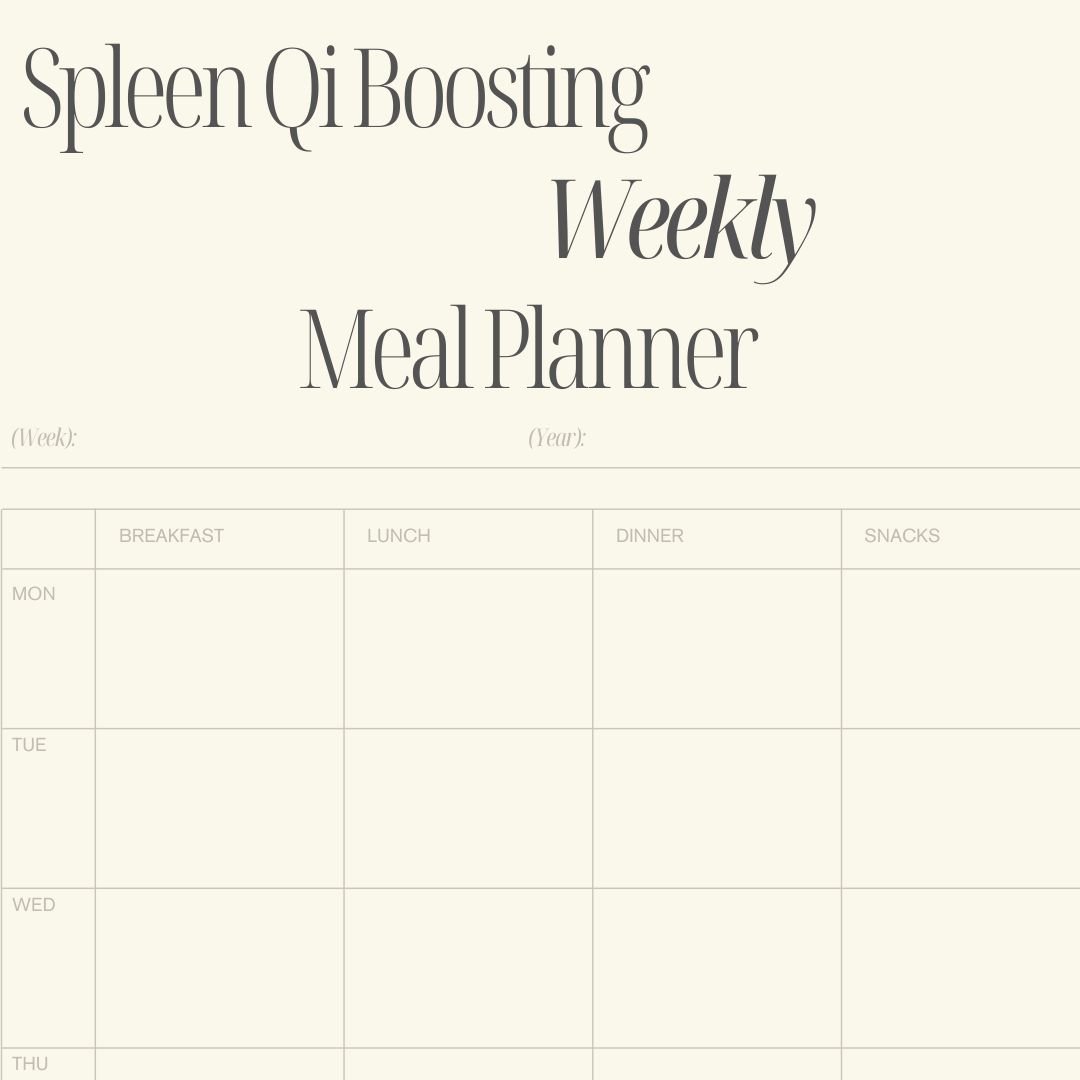
🥗 Spleen Qi Meal Planners – Two full weeks of meal plans (vegetarian and non-vegetarian) to support digestion and energy.
🫙 Herbal Pantry for Everyday Wellness – Learn the top 10 must-have herbs and exactly how to use them at home.
Whether you’re just starting your herbal journey or deepening your practice, this bundle gives you the tools to nourish your body, mind, and spirit—season by season, meal by meal.
✨ Save big and empower your kitchen with centuries of wisdom—naturally. ✨
$70 value for only $45!