
TCM Winter Wellness
How to Stay Healthy this Winter with Chinese Medicine—Nurturing the Water Element and Kidney System
In Traditional Chinese Medicine (TCM), each season is connected to one of the Five Elements, offering guidance on how to care for our bodies and minds throughout the year. Winter is associated with the Water element and the Kidney system, which governs our energy reserves, resilience, and sense of vitality.
Rather than pushing forward, Winter invites us to slow down. It is a season of rest, reflection, and conservation, much like nature itself. Shorter days and colder temperatures encourage us to turn inward and nourish our bodies so we can protect our energy, and it can be stored and strengthened. This deep rest creates the foundation for the rise and expansion of yang energy that emerges in spring. By aligning with Winter’s natural rhythms through TCM principles, such as warming foods, adequate rest, and gentle self-care, we can support our Kidneys and overall well-being during this quieter time of year.
This article explores simple wellness and self-care practices inspired by Traditional Chinese Medicine to help you stay healthy, grounded, and in harmony with Winter’s energy

Understanding The Kidneys
The Kidney Organ system, associated with the Water element, is considered a yin organ in Traditional Chinese Medicine and is paired with its yang counterpart, the Bladder. Together, they play a vital role in maintaining balance, vitality, and long-term health. While the Bladder is responsible for the storage and excretion of fluids, the Kidneys provide the foundational energy that supports these processes. Beyond their role in water metabolism and the filtering of urine, the Kidneys are seen as the storehouse of essence, or jing, a precious substance inherited at birth and replenished through nourishment, rest, and mindful living. Jing is the root of growth, development, fertility, and aging, and it influences everything from bone strength and brain health to hearing and reproductive vitality. Lifestyle choices, age, chronic disease, emotional states, and nutrition all play a part in the health of our Kidneys.
The Kidney system also governs human reproduction and development, guiding the natural cycles of birth, maturation, and longevity. In TCM, strong Kidneys are associated with resilience, adaptability, and a deep sense of inner stability. On an emotional level, the Kidneys are linked to willpower (zhi) and our capacity to move through life with courage and determination.
Because Winter is the season of the Water element, it is an especially important time to protect and nourish the Kidneys. By conserving energy, staying warm, prioritizing rest, and supporting the body with warming, mineral-rich foods, we help preserve our essence and lay a strong foundation for health in the seasons to come.
Regulates water metabolism
Produces marrow
Regulates the bones
Manifests in head hair
Opens into the ear and controls the two lower yin offices (the anus and urethra)
Houses the Zhi (will-power)
Controls fluid secretions are urine, semen, and vaginal fluids.
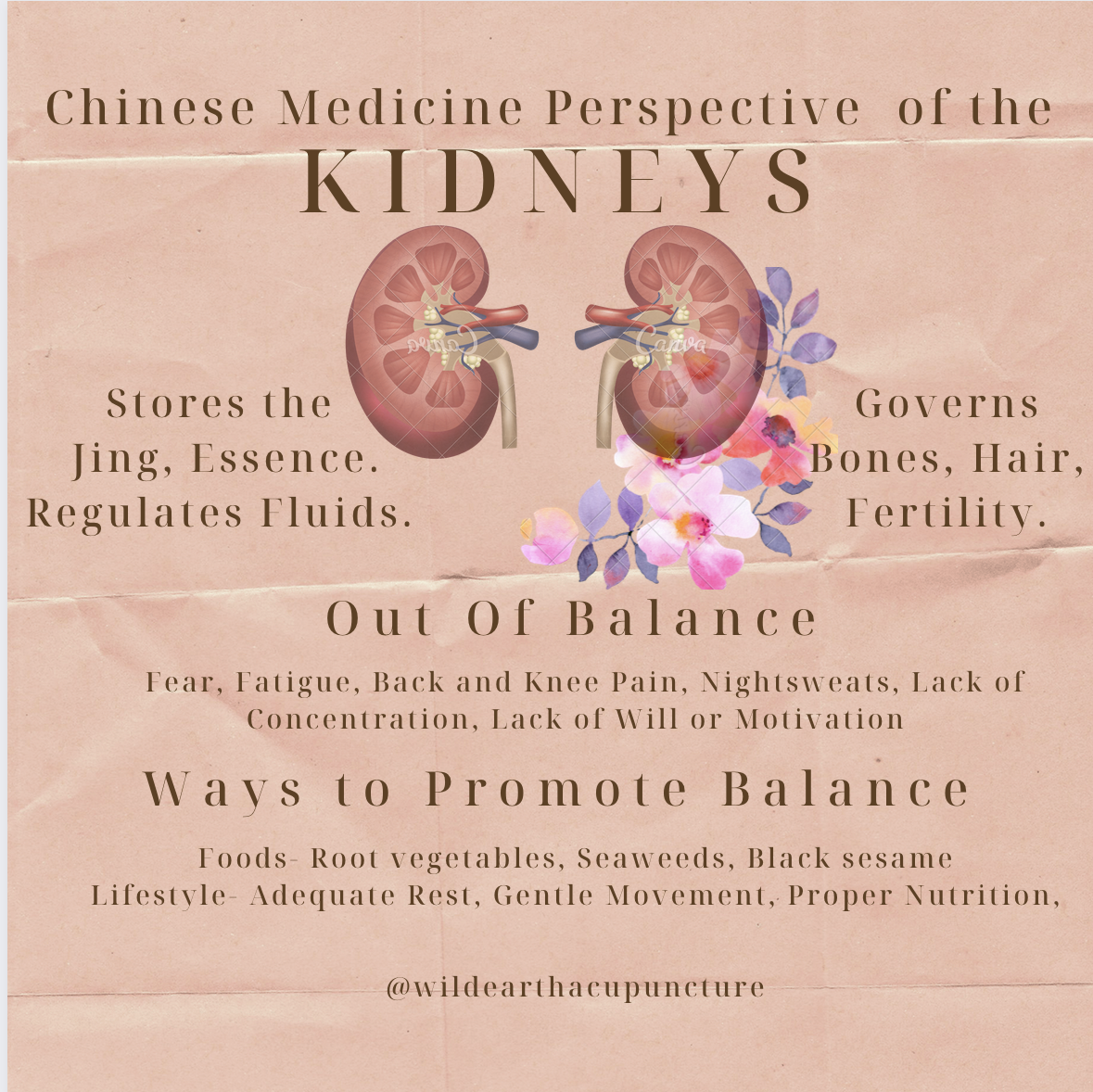
“The Kidneys
are the base of
essence, its quintessence
appears on the hair and it
enriches the bone marrow”.
腎 者 主 蟄 , 封 藏 之 本 , 精 之 處 也 ;
其 華 在 髮 , 其充 在 骨 。
-Huang Di Nei Jing
Nourishing the Kidneys
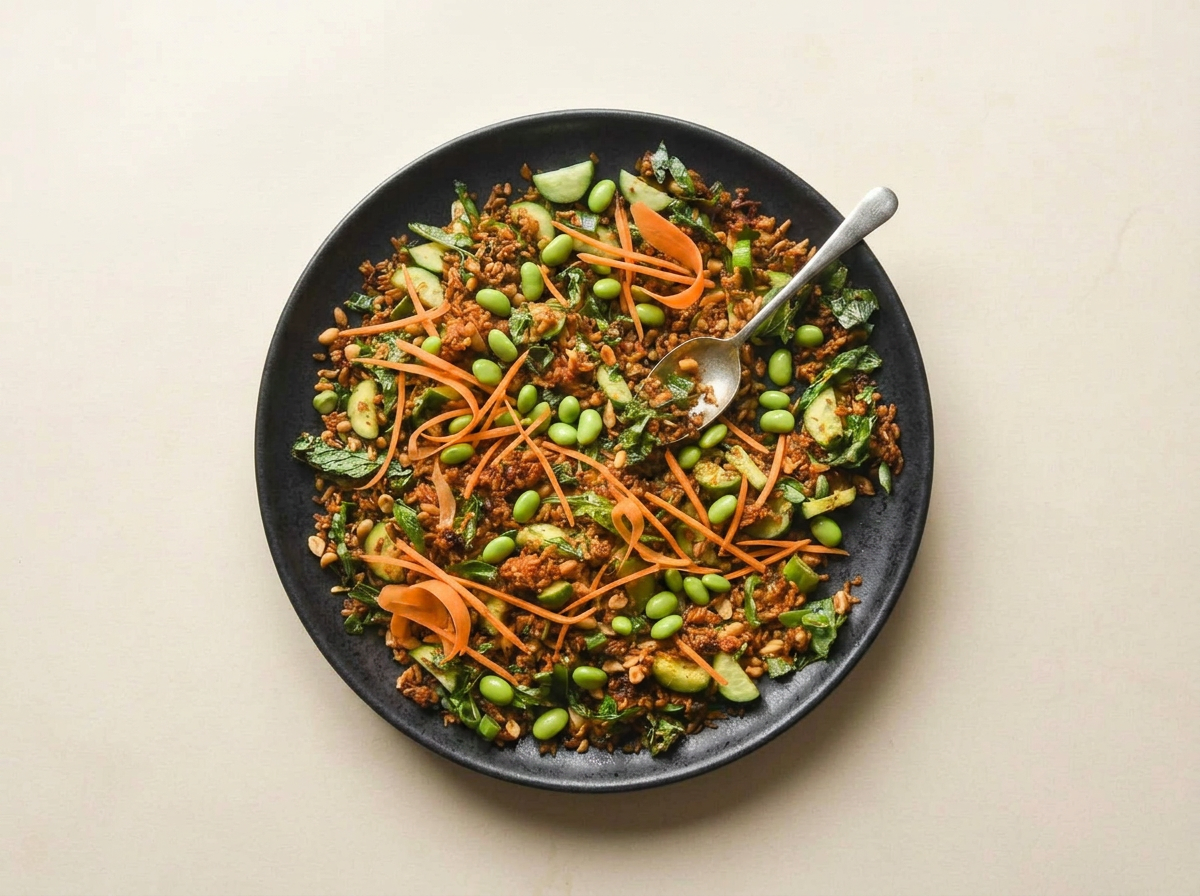
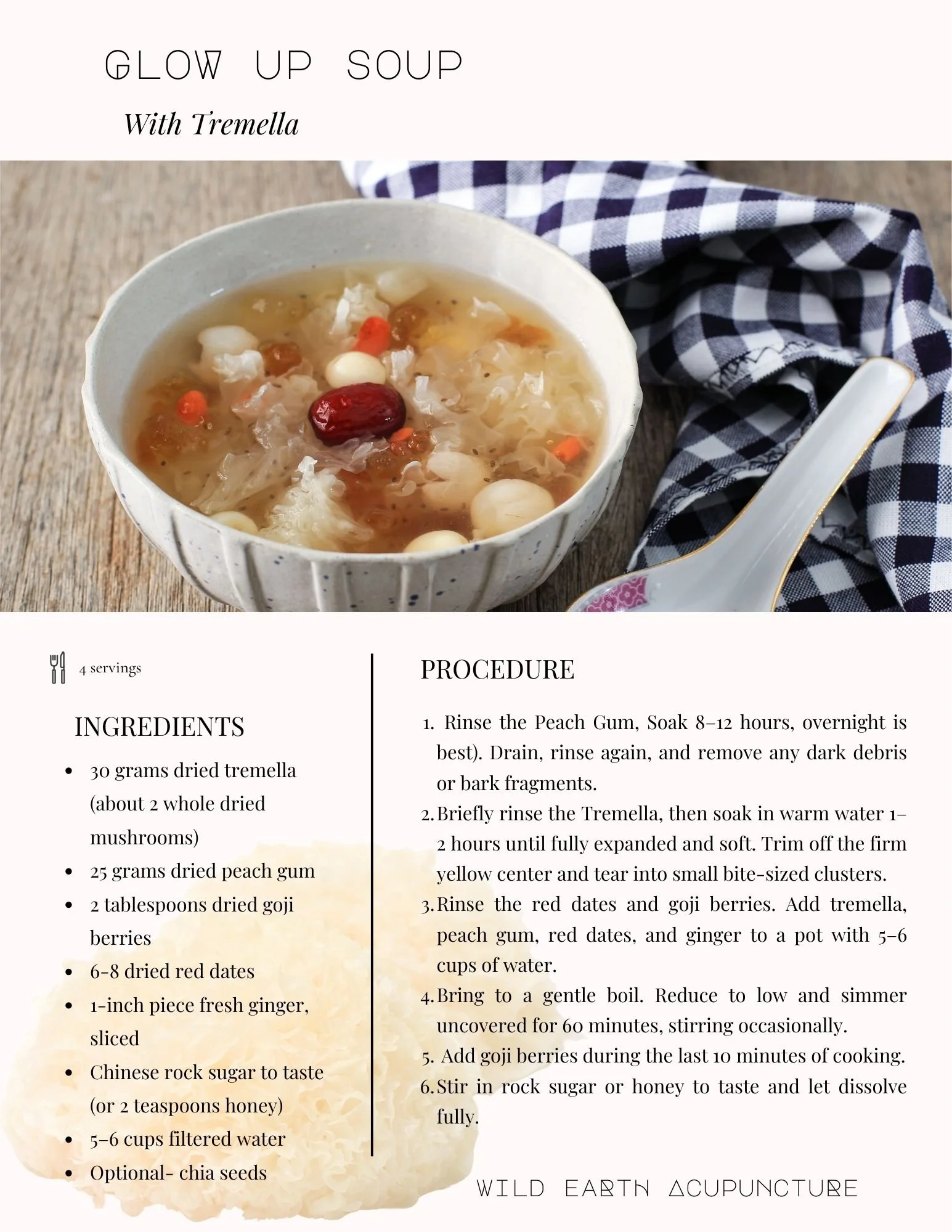
Nourishing food, that is tailored to meet your individual needs and health goals, lays the foundation for health. Eating a whole food-based diet, that consists of mainly plants, healthy animal products, and low-processed foods and sugars is considered the gold star in nutrition. To nourish your kidneys, incorporate foods such as black beans, kidney beans, black sesame seeds, dark leafy greens, and healthy mineral-packed salts. Embrace slow-cooked foods, hearty stews, nourishing broths, hot teas, and warm lemon water. Opt for seasonal foods and grounding options like root vegetables and winter squashes.
Beans- Kidney, black
Seeds- Black sesame
Dark leafy greens
Mineral Salts
Slow cooked food
Seasonal winter vegetables, such as squashes and root vegetable
Broths
Warming teas
Maintaining Internal Warmth
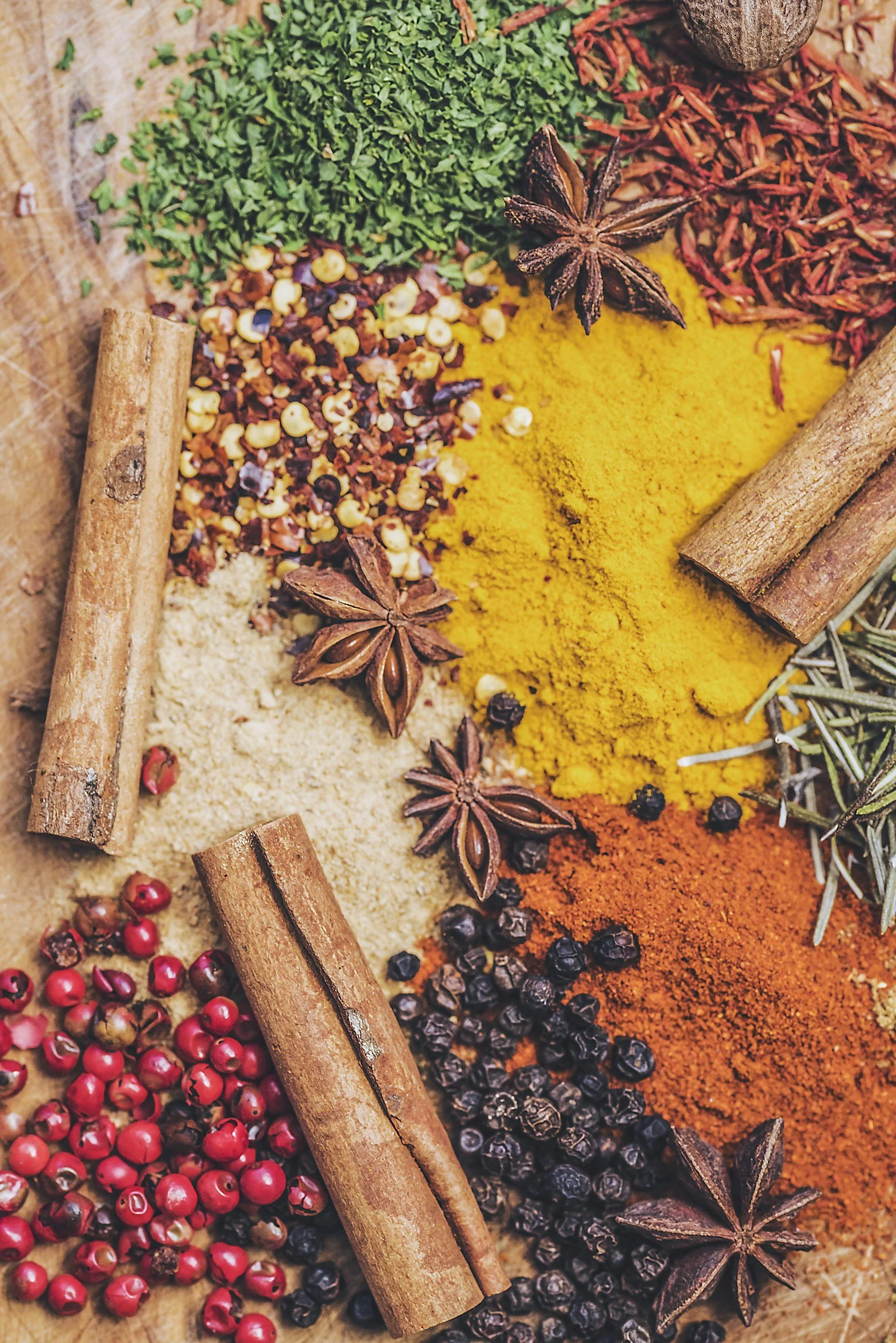
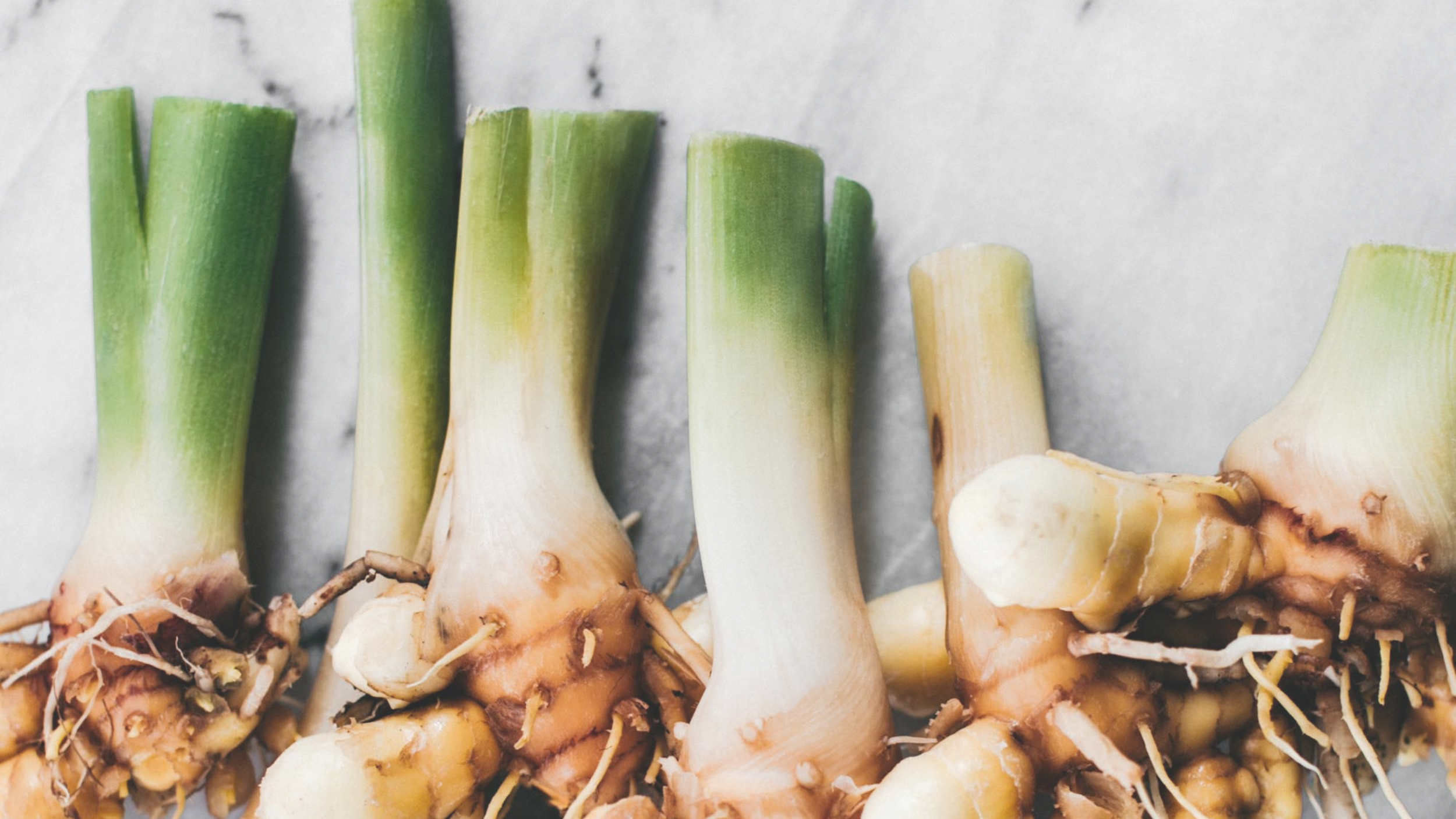
Cultivating practices that support internal warmth is key during the dark winter months. Breathwork, herbs, and nutrition can help support this process. Choose foods that provide a comforting, warming, and grounding effect, helping you stay warm from the inside out. Think of spices such as ginger and cardamom, switching from juices and smoothies to broths and teas. Additionally, dressing in layers and keeping essential areas like the neck, lower back, and feet covered will further enhance your body's ability to retain warmth.
Gentle Exercise Practices
Engage in gentle, nourishing movement that aligns with the slower rhythm of Winter, such as tai chi, qigong, and yin yoga. These practices encourage smooth circulation of qi and blood, help release tension, and support balance without overtaxing the body’s energy reserves. Rather than intense or draining workouts, Winter movement should feel grounding, calming, and restorative.
At the same time, embrace the quieter pace of the season by honoring your body’s need for rest. Rising with the morning light and going to bed earlier allows you to synchronize with the shorter days and longer nights. Adequate sleep and intentional downtime are essential during Winter, helping to conserve Kidney energy, strengthen resilience, and prepare the body for renewed vitality in the spring.
Qi-Tonifying Herbs
Incorporate qi-tonifying herbs into your routine to enhance vitality. Ginger, garlic, cinnamon, cardamom, astragalus, he shou wu, and dong quai are excellent choices to strengthen your immune system and support overall well-being during the winter months.
Embracing the Winter Stillness
Winter invites us to embrace stillness, intuition, and knowledge. Cultivate a calm and quiet environment, resisting the urge to overdo or make sudden or big changes. Allow yourself to hibernate and rejuvenate, tapping into the dormant energy that winter offers. Embracing this time of slowness and yin energy allows the body a chance to recharge before the bursting yang energy of springtime awakens the world. It is a great time to journal, meditate, and dream, getting ready to plant seeds and dreams for the year to come.
Winter becomes a time of introspection, tranquility, and the perfect opportunity to nourish your water element and kidney system for overall well-being. Incorporating TCM principles into your winter wellness routine can foster a harmonious balance between mind, body, and spirit. Embrace the season, listen to your body's needs, and embark on a journey of hibernation and rejuvenation.

































🌿 Love What You See? Want It All? This bundle was made for you! 🌿
Get the ultimate herbal wellness collection in one beautifully curated package. This bundle includes:
✨ Essential Tastes Cookbook – Explore the Five Flavors of TCM through immune-boosting, nourishing recipes.
🥗 Spleen Qi Meal Planners – Two full weeks of meal plans (vegetarian and non-vegetarian) to support digestion and energy.
🫙 Herbal Pantry for Everyday Wellness – Learn the top 10 must-have herbs and exactly how to use them at home.
Whether you’re just starting your herbal journey or deepening your practice, this bundle gives you the tools to nourish your body, mind, and spirit—season by season, meal by meal.
✨ Save big and empower your kitchen with centuries of wisdom—naturally. ✨
$70 value for only $45!